October 15, 2026
By Ruben Harris
The New Normal, Episode 13: Bob Becker
Five takeaways from the executive who built the outbound direct sales teams at Carnival and Norwegian on clearing the dirt out of a salesperson’s day, calling the leads cruise lines already paid for, and starting AI with one use case.
Bob Becker, Executive Sales Consultant, built the outbound direct sales teams at Carnival and Norwegian, and over his career he has been responsible for more than $50 billion in sales. Cruise lines rely on those teams because the travel agencies that sell cruises are shrinking. U.S. full-service agencies fell from 43,000 in 1995 to fewer than 10,000 today, while the number of people needed to fill cruise ships has grown 5,000%.
Becker is this week’s guest on The New Normal, OutRival’s interview series with leaders deploying AI in production. Recorded in Miami, the conversation covers his sales framework, the leads cruise lines have already paid for, and where Digital Workers fit alongside human salespeople.
Here are the five biggest takeaways from his conversation with OutRival co-founder Ruben Harris and OutRival head of travel Jeff Herzfeld.
1. Most of a salesperson’s day goes to moving dirt
Becker’s direct team at Carnival once had 50 reps with the same leads, phones, and training, yet the top 10 booked $1 million a month and the bottom 10 booked $200,000. Call records from the company’s phone system showed that the top reps made 150 dials a day, while the bottom reps made 70.
That finding became Dirt to Diamonds, the sales framework Becker trademarked and that cruise lines now use worldwide. The “dirt” is everything a rep does before reaching a real sales opportunity, from unanswered dials to calls with people who are too busy to talk.
Of 150 dials, a rep reaches about 70 people, and 40 of those can’t talk, which leaves around 30 real opportunities. Becker estimates that 80% of a salesperson’s time goes to moving dirt and 20% to selling. He wants Digital Workers to handle the dirt so salespeople can spend more of their day selling.
“You may not need more people as you buy more ships,” he says. “You need to give your top people more opportunities to make more vacationers happy.”
2. Cruise lines already paid for the leads nobody is calling
When Becker first pitched direct sales to Carnival’s Bob Dickinson, Carnival was spending $100 million on advertising that sent prospects to travel agents. Becker asked what happened after those prospects called an agent, and Dickinson didn’t know.
Because that money is already spent, a direct sales team can follow up on those leads at no added acquisition cost. A guest who becomes a lifelong customer then spreads the original marketing dollar across six or seven cruises.
Becker compares the leads nobody has followed up on to a dumpster that the direct team digs through for bookings. Harris notes that Digital Workers can call the leads no rep has time for and pass the promising ones to top salespeople. Becker agrees, saying this lets a team “go deeper into the dumpster.”
Subscribe to The New Normal here.
3. Inbound AI only covers the gathering side
Becker divides salespeople into hunters, who go out and find buyers, and gatherers, who handle the business that comes to them. Many cruise lines say they already have AI agents, but those agents only answer incoming calls, which makes them gatherers.
“What if nobody calls you?” Becker asks. He built his career as a hunter and says cruise lines need AI that hunts too.
Becker has never called from purchased marketing lists. Instead, his teams call people who have already shown interest in cruising. Those used to be people who phoned a cruise line to request a brochure, and today they are usually people who fill out a form on a cruise line’s website and agree to be contacted. Harris calls this kind of outreach warm outbound.
In Becker’s model, a Digital Worker contacts those prospects and passes them to a human salesperson. Prospects rarely volunteer their real reason for hesitating, so the salesperson asks questions until it comes out. In one of his examples, a woman admits her husband thinks he’ll be bored on a ship, and the agent answers by pointing out three top golf courses on the itinerary.
4. The sale continues after the booking
Most cruise lines open shore excursions and specialty dining for booking 120 days before sailing, when final payment is due, and the most popular options sell out.
On a recent luxury cruise to Bali and Bangkok, only 16 of the ship’s 400 guests booked the side trip to Angkor Wat, and the guests Becker met by the pool were angry that no one had told them about it.
Becker’s teams make touch calls at 120 days, at 60 days, a week before departure, and a week after the guest gets home. About 40% of guests rebook within the same month. Becker’s goal is to turn a guest who sails twice in 10 years into one who sails three times.
5. Buy the technology and start with one use case
Becker would never build Digital Workers in-house. Of the roughly 15 cruise lines he has worked with, every IT department is already stretched keeping websites, reservation systems, and ship communications running.
He also warns cruise lines against trying to automate everything at once, which he calls trying to “boil the ocean.” His advice is to start with one or two uses that pay for themselves.
A good first use, he says, is having Digital Workers contact everyone in a cruise line’s customer and lead database ahead of wave season, the stretch from January to mid-March when bookings peak. Once that works, cruise lines can add shore excursions, dining, and other uses.
Listen to the episode
Check out the full episode to hear:
- How one rep’s 17 bookings on New Year’s Day led Carnival to start wave season two weeks early
- The Macy’s receipt that led to cruising’s first one-day sale
- The worst sales call Becker ever heard, and why it closed anyway
- The CYA formula cruise lines use to measure performance
Other Articles
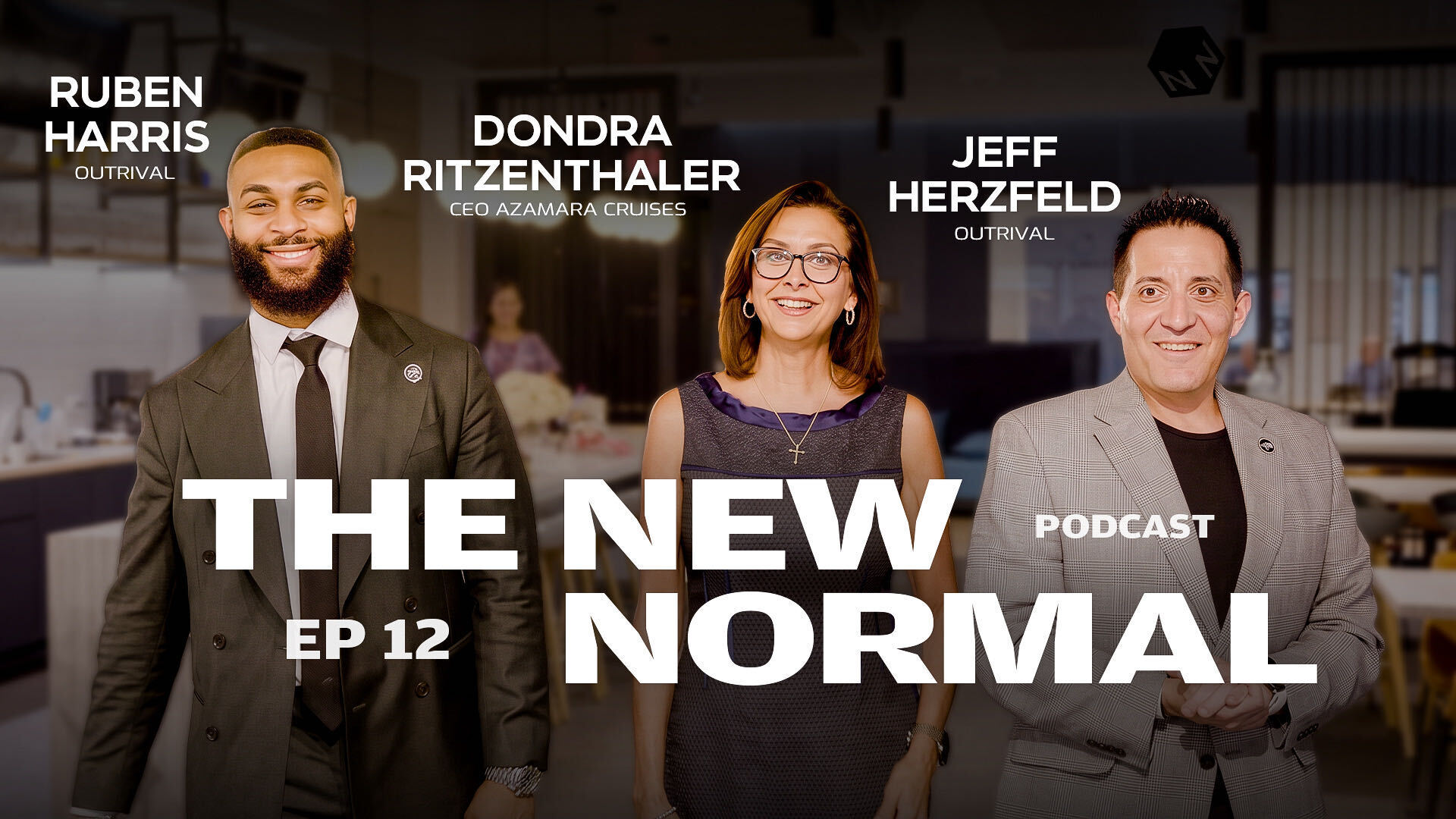
The New Normal, Episode 12: Dondra Ritzenthaler
Azamara Cruises CEO Dondra Ritzenthaler on building the data foundation before the rollout, letting AI do the groundwork while a person closes the sale, and treating efficiency as the minimum for AI. Five takeaways from Episode 12 of The New Normal.
Ruben Harris · Oct 8, 2026
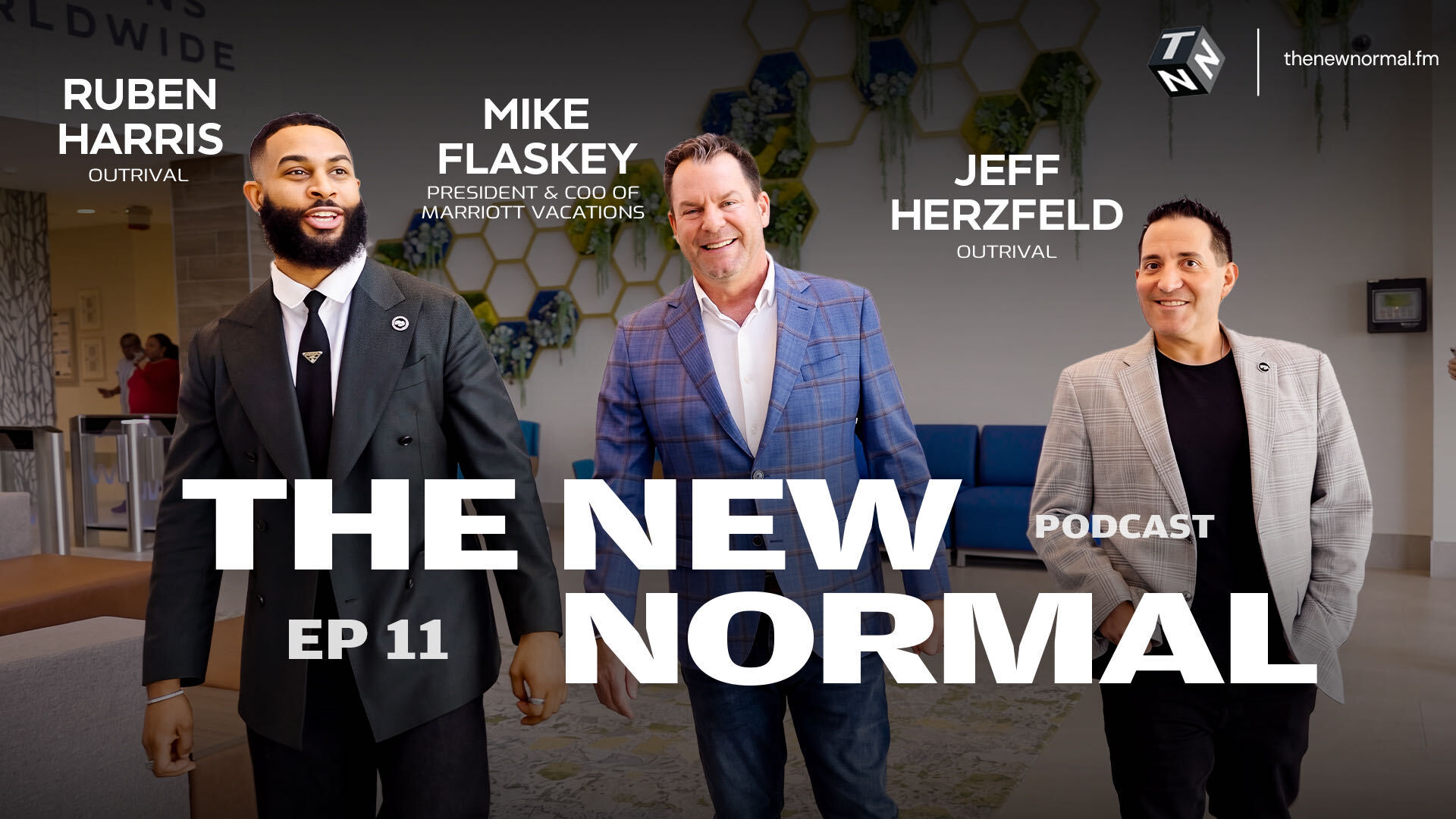
The New Normal, Episode 11: Mike Flaskey
Marriott Vacations Worldwide President and COO Mike Flaskey on loyalty as the growth engine, matching 1,400 sales associates to the right tour, and keeping the welcome human. Six takeaways from Episode 11 of The New Normal.
Ruben Harris · Oct 1, 2026
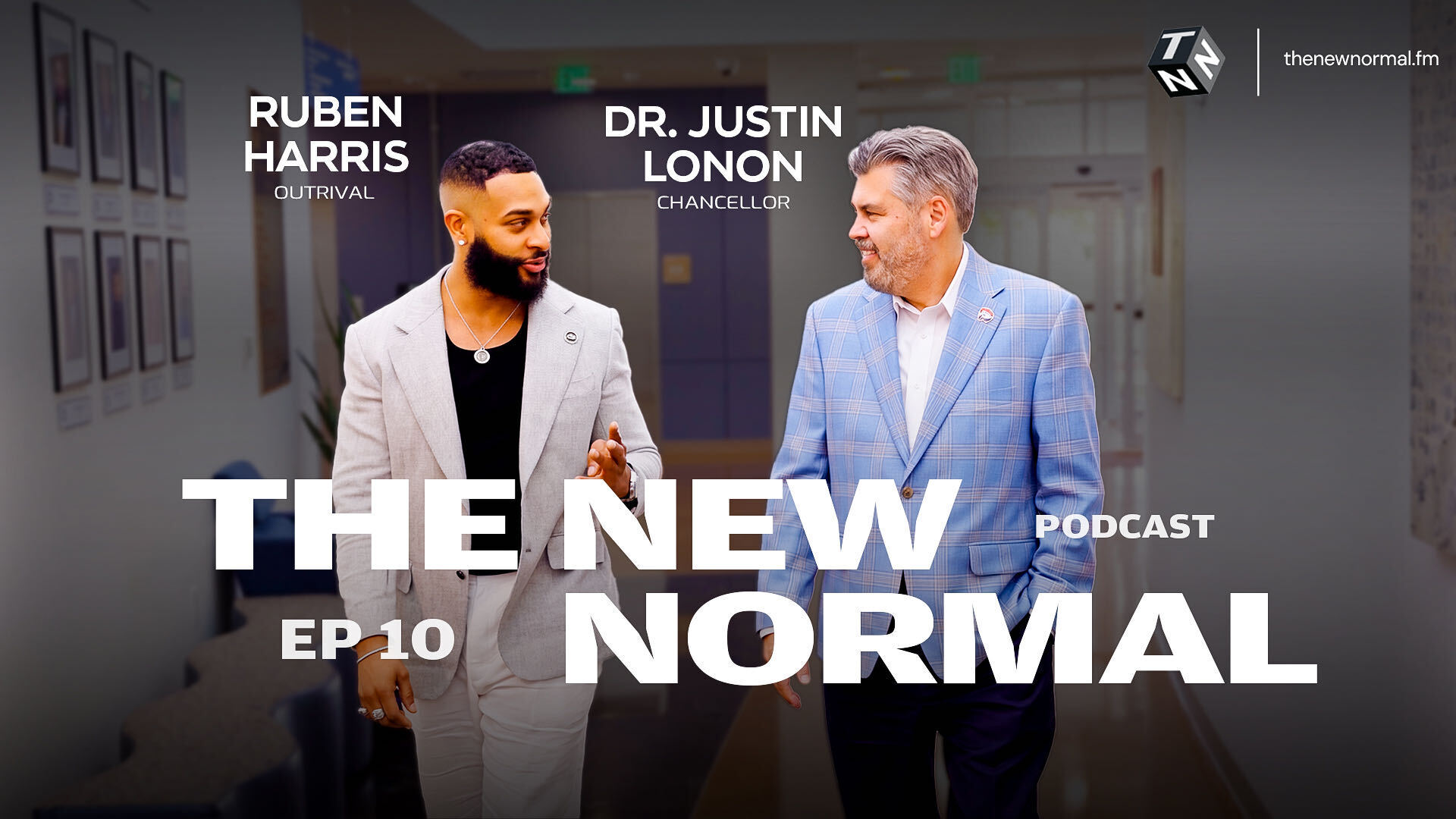
The New Normal, Episode 10: Chancellor Justin Lonon
Dallas College Chancellor Justin Lonon on building a 22nd century college, taking bigger AI risks in the back office, and making outbound personal. Five takeaways from Episode 10 of The New Normal.
Ruben Harris · Sep 24, 2026