October 8, 2026
By Ruben Harris
The New Normal, Episode 12: Dondra Ritzenthaler
Five takeaways from the CEO of a four-ship cruise line on building the data foundation before the rollout, letting AI do the groundwork while a person closes the sale, and treating efficiency as the minimum for any AI investment.
Azamara Cruises, independent since Royal Caribbean sold it in 2021, sails four small ships, each carrying up to 700 guests, and stays late or overnight in port so guests have more time in each destination. Dondra Ritzenthaler began her career as an American Airlines flight attendant, spent 20 years at Celebrity Cruises, and helped launch Azamara in 2007 before returning as CEO in 2024. Earlier this year, CLIA gave her its Hall of Fame Lifetime Achievement Award.
Ritzenthaler is the twelfth guest on The New Normal, OutRival’s interview series with leaders deploying AI in production. The conversation, recorded in Miami, covers how Azamara is pacing its AI adoption, which work she would give to AI, and what she expects AI to return.
Here are the five biggest takeaways from her conversation with OutRival co-founder Ruben Harris and head of travel Jeff Herzfeld.
1. The data foundation comes before the rollout
Ritzenthaler says Azamara has no fear of AI, but it also feels no need to be the first cruise line to deploy it. Her team is building a data foundation first, so each new use of AI rests on reliable information. “We’re more interested in doing it strategically at the right pace using data as the base,” she says.
The company has still invested in people and tools along the way, and she is eager to keep going. “If AI is coming and it can help us, let’s go,” she says.
She is also direct about what she can’t prove yet. When Harris asks whether AI is earning more than it costs outside the call center, she says she believes it is, based on what her team is learning, but she won’t put a number on it. “I don’t have enough data to say, yes, Ruben, we’ve made 22% more because of this,” she says. “I’m not ready to tell you that yet.”
2. AI does the groundwork, and a person closes the sale
Ritzenthaler is firm about the role people keep at Azamara. “There’s nothing that is ever going to take the place of a human. Never,” she says. “I think the difference is it’s the humans that figure out how to leverage AI are going to be more successful than the humans that don’t.”
In her model, AI handles the work that comes before a sale, gathering what Azamara can learn about a guest and what they are looking for. A salesperson then takes over the conversation with that information in hand and closes the sale. That person can answer detailed questions, sell up, book a second cruise, and add suites, specialty dining, or land programs before and after the voyage. She sees those conversations as what drives repeat bookings, and the arrangement lets Azamara keep its headcount down.
With unlimited hiring, she would add dedicated call center desks for world cruise guests, for the travel advisors who sell the most Azamara cruises, and for first-time guests. Long call and hold times make those desks hard to staff, so she would have AI handle the early part of each call and bring in a person to close.
Subscribe to The New Normal here.
3. The cost of a wrong answer decides what gets automated
Herzfeld suggests that tasks like final payment calls and web check-in support could go to digital assistants, giving salespeople more time to sell. Ritzenthaler agrees, and adds name changes on a booking and questions about where to find shore excursions on the website. Handing off those requests gives her team more time to get to know guests and ask for referrals, which she says pay off far more than processing a name change.
She wouldn’t hand visa and passport questions to AI, because of what a wrong answer could mean for a guest. “That might mean that somebody goes home instead of getting on the ship, and I don’t know that I would want to take that chance,” she says.
4. Efficiency is the minimum for an AI investment
Harris notes that most talk about AI centers on productivity and efficiency, and asks whether that is enough to justify an investment. Ritzenthaler treats efficiency as the baseline any tool has to meet. “You’re not going to make an investment in any tool if you don’t get efficiency,” she says. Savings matter to her, but she expects AI to open revenue opportunities too.
Her example comes from the call center, where her team uses an analytics tool that shows the most common guest complaints. From there, AI helps work out how to fix each problem, people carry out the fix, and happier guests book more cruises. She judges a tool by whether it helps Azamara earn money as well as save it, “because it is all about ROI.”
5. A lean team puts AI to work across the company
Azamara’s shoreside team is small, and Ritzenthaler says one person there often does work that took five people at her previous companies. That makes AI useful well beyond the call center, which she says is where most people assume it belongs. Her team uses AI to review contracts and then verifies what it produces. On board, the ships use AI reports to track food waste.
She relies on the people closest to the work to decide where AI goes next. Asked what she will be doing differently six months from now, she says she will keep listening to her team. “I’m hungry to listen to my team who’s going to continue to tell us where we need to invest,” she says.
Listen to the episode
Check out the full episode to hear:
- How 11 jobs in 20 years at American Airlines took her from flight attendant to CEO
- The Alaska fishing bet that ended with crew doing a polar plunge into a pool full of ice
- The “lion mentality” she relied on through 9/11 and 2008
- Her mother’s advice about getting in through the window when the front door is closed
- Why Seville is her favorite port, where Azamara sails up the river and stays two days
Other Articles
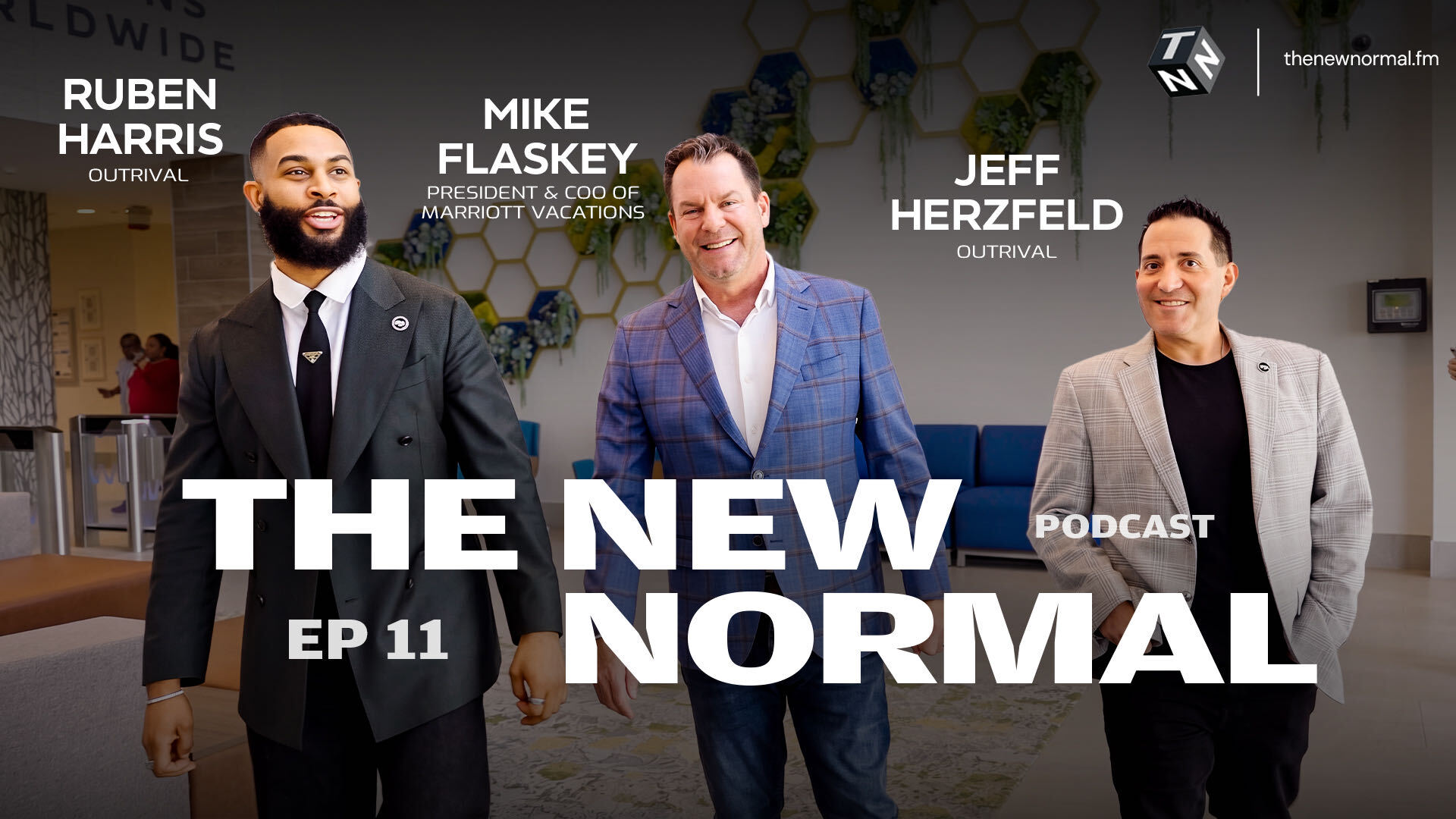
The New Normal, Episode 11: Mike Flaskey
Marriott Vacations Worldwide President and COO Mike Flaskey on loyalty as the growth engine, matching 1,400 sales associates to the right tour, and keeping the welcome human. Six takeaways from Episode 11 of The New Normal.
Ruben Harris · Oct 1, 2026
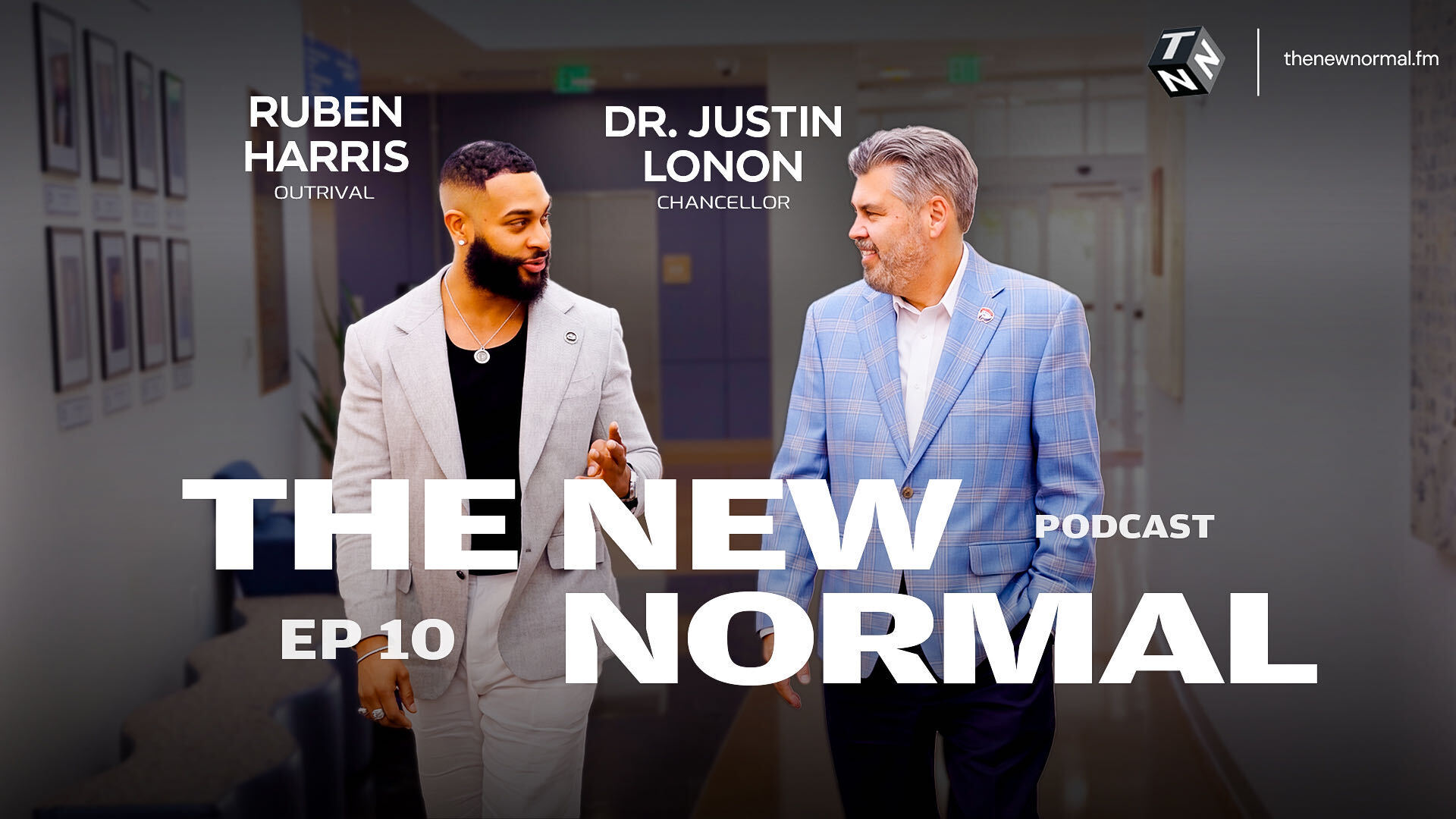
The New Normal, Episode 10: Chancellor Justin Lonon
Dallas College Chancellor Justin Lonon on building a 22nd century college, taking bigger AI risks in the back office, and making outbound personal. Five takeaways from Episode 10 of The New Normal.
Ruben Harris · Sep 24, 2026
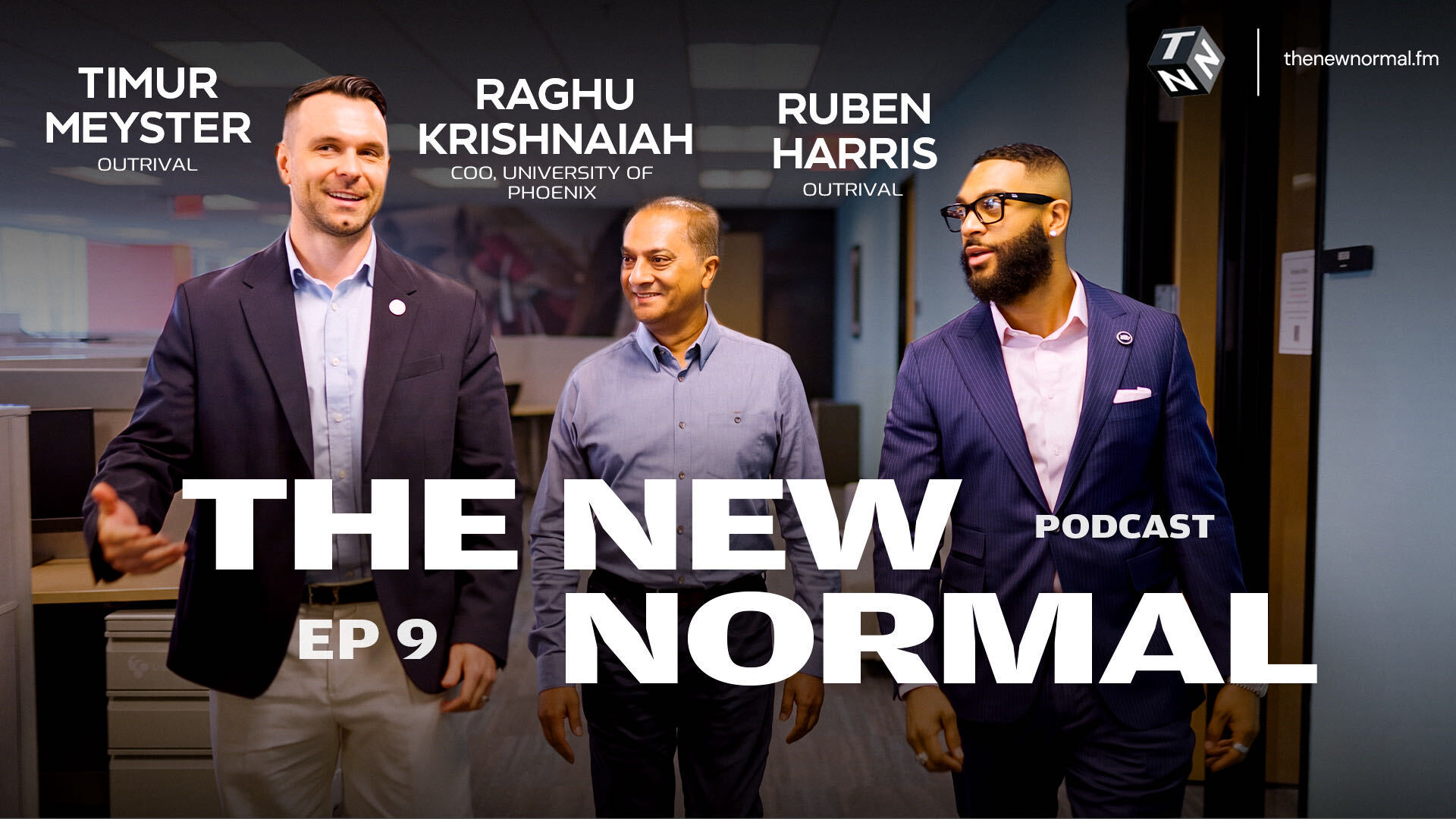
The New Normal, Episode 9: Raghu Krishnaiah
University of Phoenix COO Raghu Krishnaiah on a decade of AI, keeping humans in charge of the critical calls, and connecting every course to work. Five takeaways from Episode 9 of The New Normal.
Ruben Harris · Sep 16, 2026