October 1, 2026
By Ruben Harris
The New Normal, Episode 11: Mike Flaskey
Six takeaways from the president and COO of a vacation ownership company serving 700,000 owner families on loyalty as the growth engine, matching sales talent to the right tour, and keeping the welcome human.
Marriott Vacations Worldwide serves 700,000 owner families across 120 resorts and more than 37,000 rooms. A hotel room is typically 300 to 350 square feet. The average vacation ownership unit is about 1,200, usually with two bedrooms, a full kitchen, and a living room.
President and COO Mike Flaskey says the difference shows up at the door. “This is not a hotel,” he says. “These folks have committed money, real money, to own with us, so we welcome them home.”
Flaskey is the eleventh guest on The New Normal, OutRival’s interview series with leaders deploying AI in production. The conversation was recorded in Florida with OutRival co-founder Ruben Harris and Jeff Herzfeld, OutRival’s head of travel. Flaskey joined after CEO Matt Avril, a colleague from their years together at Starwood Vacation Ownership, asked him to come in as president.
Here are the six biggest takeaways from the conversation.
1. Loyalty is the growth engine
About 500,000 tours come through the sales galleries each year, split about evenly between first-time guests and people who already own. The sales do not split that way. Flaskey said 70% of annual sales come from existing owners, on a business he described as more than a couple of billion dollars a year. The average owner buys three to four times and currently owns about 1.3 weeks equivalent.
“It’s because of our on-site hospitality folks that wake up every day and deliver the dream,” he says. Sales and marketing sells the dream. Housekeeping, engineering, the front desk, and the activity team deliver it, including a Build-A-Bear station that turns a rainy afternoon into something a family takes home. About 23,000 associates do that work, and he says guest satisfaction scores are off the chart.
First-time buyers are not hunted on the open web. The company has exclusive rights to market into the Marriott Bonvoy and World of Hyatt databases. The usual offer is four days and three nights at one of the 120 resorts for $199, against a stay he said would otherwise run $1,200 to $1,500 or more, in exchange for 90 minutes. About 2 in 10 buy on that visit. Marriott Vacations Worldwide is also the bank, with about $3 billion in financing it underwrites and services. Guests who are not ready for the full purchase can take an Explorer trial and apply it later.
What they buy is a points product he calls a fungible currency, not a fixed week at one resort. Owners pick the resort, the unit size, and the length of the stay. A family with young kids might use a peak summer week in a larger unit. Empty nesters can turn that same ownership into four or five weeks in a one-bedroom during the shoulder season.
2. Experiences keep owners in the system
On June 22, the company launched Inner Circle, an experiential series presented by Aflac. In 2027 it plans more than 1,000 curated events. Invitations start with the top owner benefit level, Pinnacle, then move to Reserve and Chairman. The rooms hold 150 to 200 owners, not an arena.
The series has four verticals: headline music, culinary, television, and sports. Brand ambassadors include Lee Brice, Randy Houser, and Mac McAnally. There are regional and national chefs, conversations with television personalities such as Chris Harrison, and nights with players from the 2004 Boston Red Sox and the 1999 Yankees. Flaskey calls them “experiences that money can’t buy.”
Owners did not pay for that entertainment when they bought. He is adding it because “experiences are more important than things,” and because it changes who shows up. A baby boomer who has owned for 20 years may be wondering why the kids stopped coming. Lee Brice on property brings the kids and the grandkids back, and it extends a deeded product into the next generation. The same events pull in younger families who would once have chosen an Airbnb. He described the shift as wanting campus amenities and “the security of knowing that our key’s been changed out and there’s no camera left over in my Airbnb.”
“We have absolutely caught lightning in a bottle,” he says.
3. The best AI win so far is matching
The system already in production is Tour Logistics, a proprietary algorithm that ranks about 1,400 sales associates. It goes eight levels deep, because there are about eight ways a guest can arrive for a tour, and it records which associate performs best with which type of tour. New tours are dropped in three times a day, at 9 a.m., noon, and 3 p.m., and matched to the associate most likely to give that guest a good experience. Flaskey’s view is that the sale then takes care of itself at a higher rate.
He explains it like a batting order. Dave Roberts bats Shohei Ohtani first. Half an at-bat more per game, across 162 games, is 81 more at-bats for the best hitter. Ask any major league manager whether they would bat only their top five or six if they could, Flaskey says, and they would say yes. Tour Logistics is that idea applied to a sales gallery: the best people get the most chances to take care of the guest.
He was direct about the return. “We’re getting a huge ROI on our tour logistics.” He was equally direct that the conversation itself stays human. The algorithm decides who steps up to the tour. It does not replace the person in the room.
Subscribe to The New Normal here.
4. The next opportunity is reach
Everything past Tour Logistics is still ahead of them. “We don’t do it today,” Flaskey says. “We’re in the top of the first inning.”
Of roughly 250,000 first-time tours a year, he said about 30% leave with either the full product or the Explorer trial. That leaves 70% who walk out without buying. He wants digital workers to learn why: what the team did well, what it did badly, and what should change. Surveys of the 700,000 owner families have the same limit. A form does not have the reach, and blasting all 700,000 would not produce useful feedback. He would slice owners into cohorts first. Some still own a fixed week. Most own points. Some take those points into Marriott hotels, and some use them on the thousands of cruises the company books each year.
The same idea applies before a stay, which he calls upstream engagement. The company already knows who is coming. Across 37,000 rooms and an average stay of four to four and a half days, the front desk turns over a lot of arrivals. A digital worker could collect preferences early enough that the unit is ready when the owner walks in, down to what is in the refrigerator. Twenty years ago that lived in a CRM note at check-in: this guest likes to fish, that guest likes the pool. He wants that work done before arrival, so the owner walks in and says, “This is next level.”
5. Efficiency does not mean eliminating jobs
Asked where repetitive work could move, he pointed at the $3 billion financing book: collections and loan servicing. He also pointed at contact centers, which today are staffed by people selling into the Marriott Bonvoy and World of Hyatt databases to produce those 250,000 first-time buyers. A digital worker could take on a lot of the touches. Then he stopped to draw the line.
“I’m not saying to take the jobs of our existing people,” he says. He does expect scale on general and administrative cost, and he thinks every company that uses the technology well will find savings. He also thinks the metrics that matter can get better at the same time. “The magic really starts happening when you do both.”
He made a version of this argument about five years ago at the Milken Institute, early in the machine learning conversation. “There are certain jobs, and there are certain things that require leadership and they require people.” Plenty of baseball clubs send the lineup down from the computer. A field manager still runs the club, because the data cannot tell you who is going through a divorce, who went out the night before, or who is in a slump. Hospitality, he said, is that kind of work. “It’s never gonna replace that interaction of that face-to-face human.” A timeshare salesperson’s job is one he promised the technology will not take. “I almost look at it like it augments, or it makes it better, or it fills a gap to make you smarter.”
Asked what the operation looks like in 2030, he gave the same answer in business terms. The human still delivers the experience and still sells it. Efficiency, he said, does not mean eliminating jobs. It means “being better and being great at what you should be great at,” which shows up as better margins. The company will take it “a bite at a time.” What it will not do is make the big mistake.
6. Experiences are moving from luxury to necessity
The last question was what new normal in travel people have not woken up to yet.
“I don’t think we’ve scratched the surface on the experiences,” Flaskey says. “I think today experiences are still a luxury, and I think we’re moving towards they’re gonna become a necessity.”
Listen to the episode
Check out the full episode to hear:
- How a $199 preview and the Explorer trial sit next to a company that also finances the purchase
- Why a points product lets an empty nester turn one summer week into four or five weeks in the shoulder season
- The 2004 Red Sox story he wants owners to hear from the players, in a room of about 150 people
- What a mate’s job on a charter boat, and three seasons playing for Gaylord Perry, taught him about leading people one at a time
- Why he says the company will take AI one bite at a time, and why the one thing it will not do is make the big mistake
Other Articles
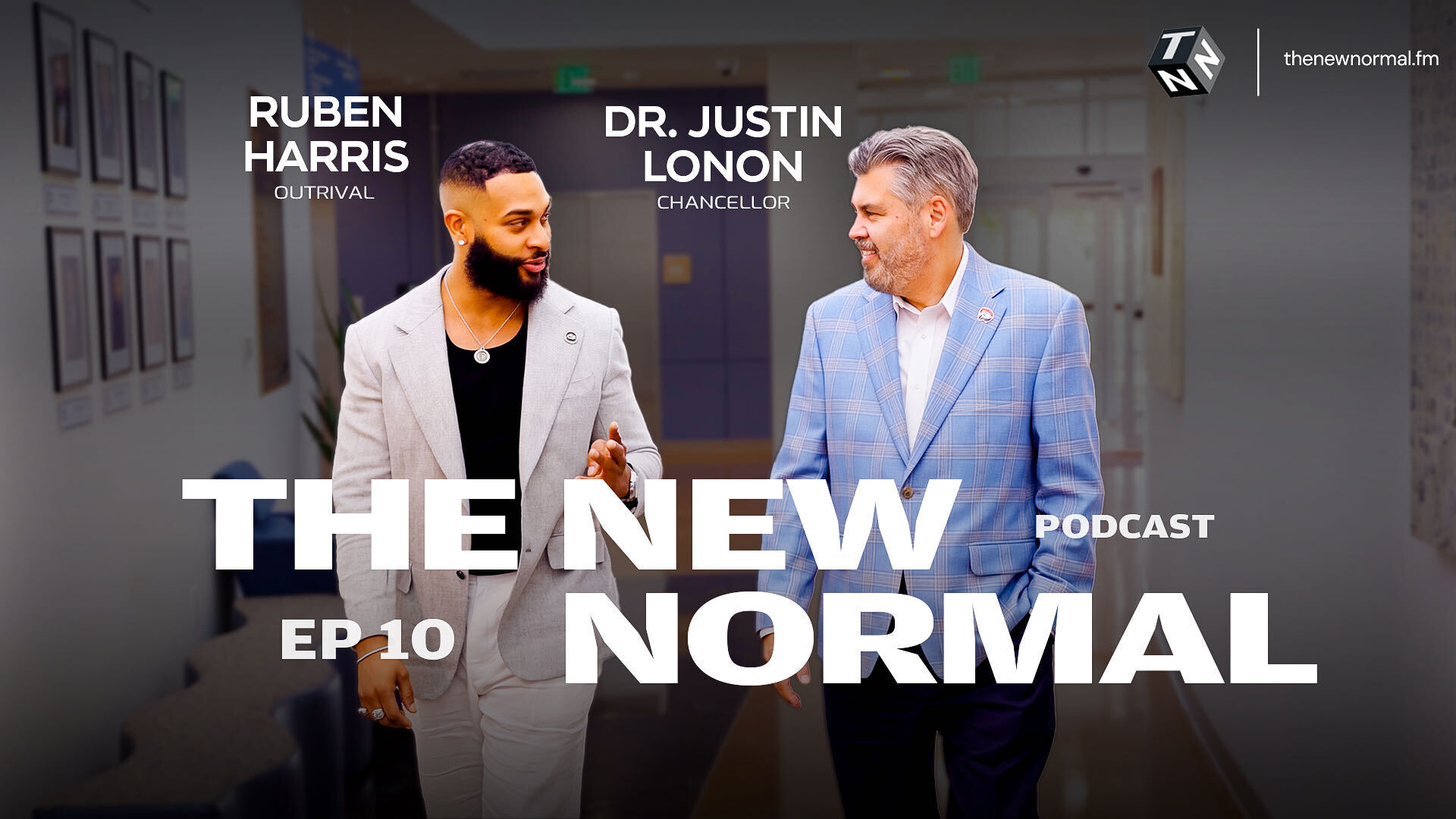
The New Normal, Episode 10: Chancellor Justin Lonon
Dallas College Chancellor Justin Lonon on building a 22nd century college, taking bigger AI risks in the back office, and making outbound personal. Five takeaways from Episode 10 of The New Normal.
Ruben Harris · Sep 24, 2026
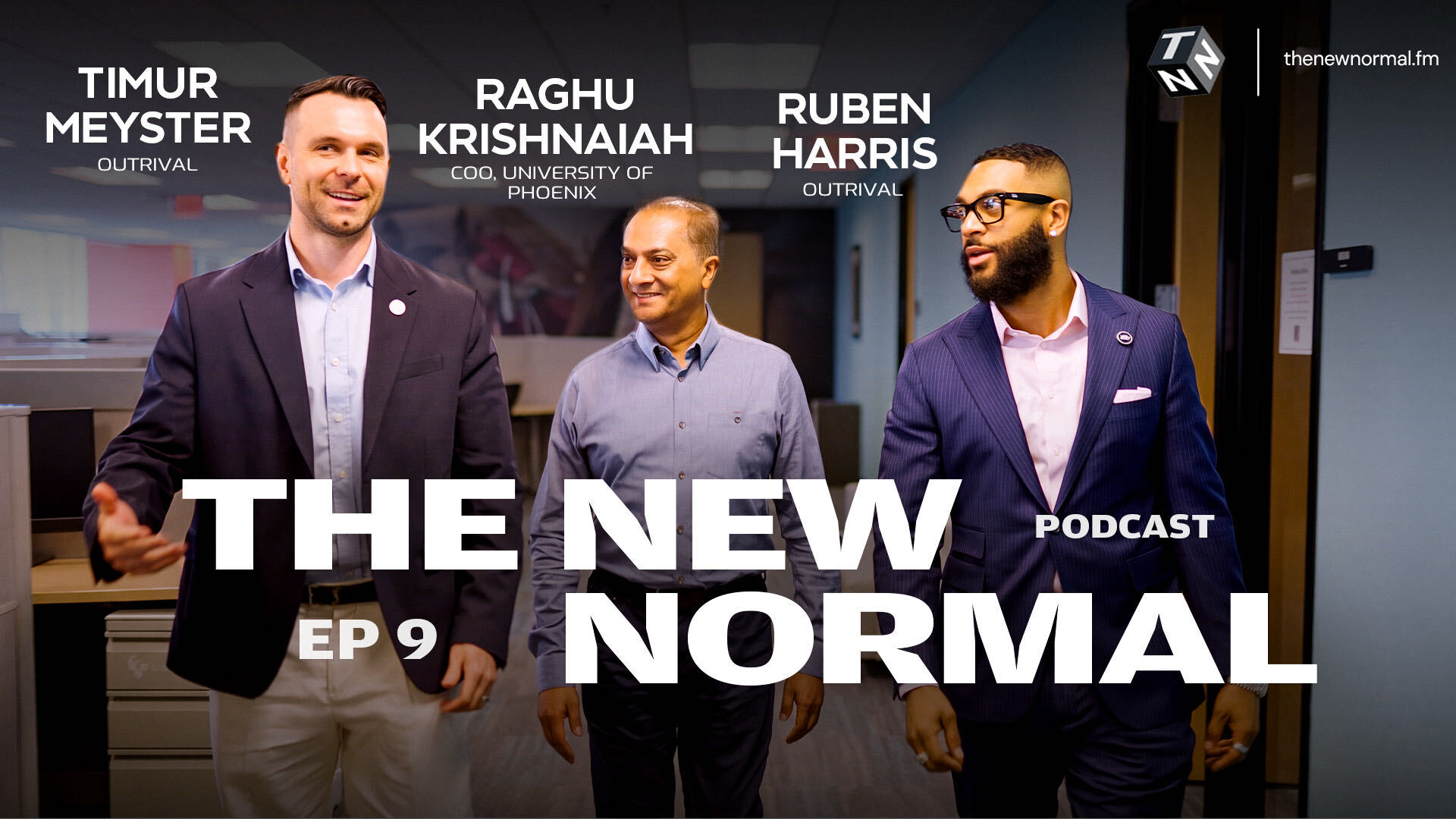
The New Normal, Episode 9: Raghu Krishnaiah
University of Phoenix COO Raghu Krishnaiah on a decade of AI, keeping humans in charge of the critical calls, and connecting every course to work. Five takeaways from Episode 9 of The New Normal.
Ruben Harris · Sep 16, 2026
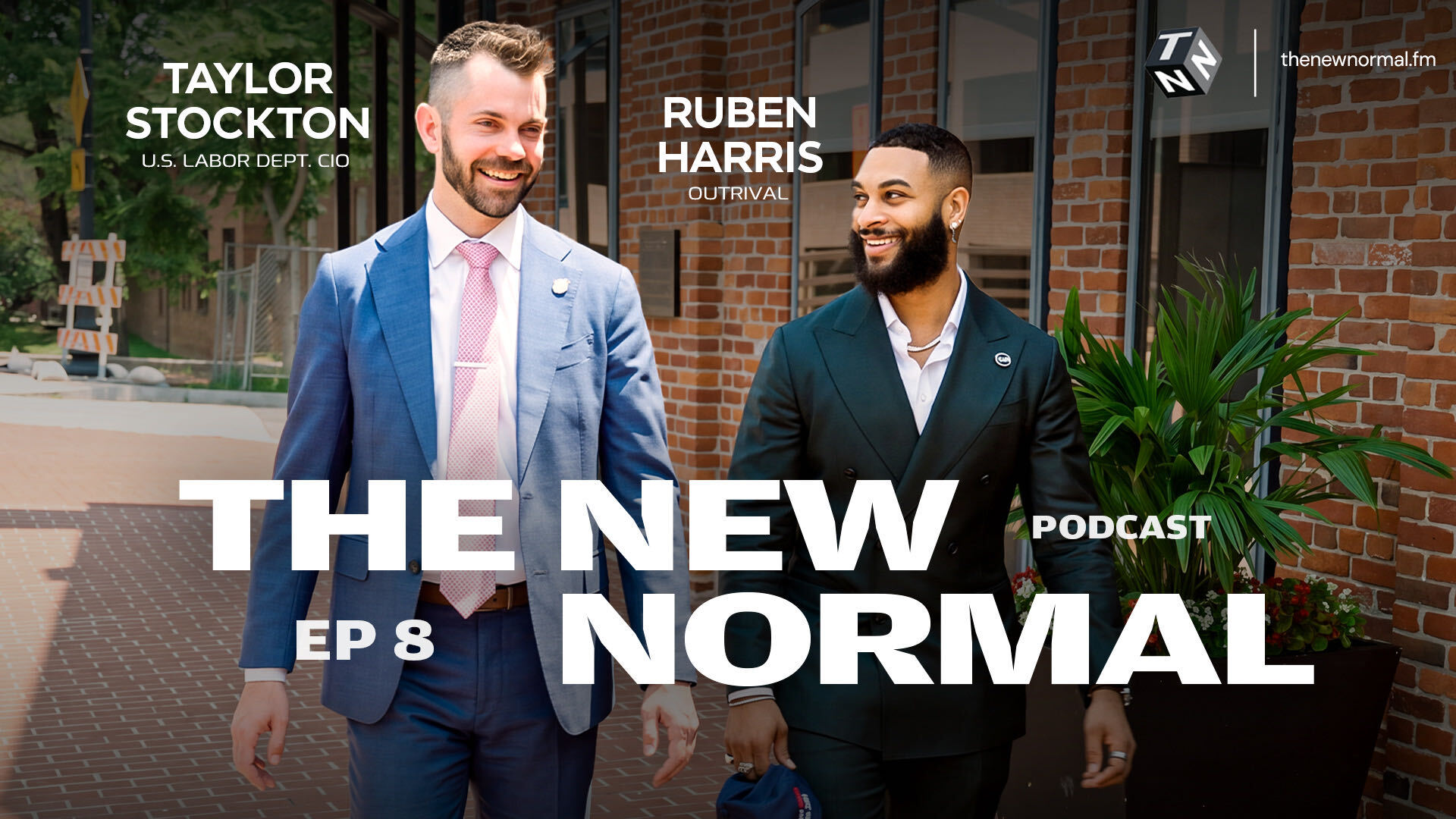
The New Normal, Episode 8: Taylor Stockton
U.S. Department of Labor Chief Innovation Officer Taylor Stockton on putting workers at the center of the AI Action Plan, teaching AI over text message, and why operators get rollout wrong. Five takeaways from Episode 8 of The New Normal.
Ruben Harris · Sep 10, 2026