September 16, 2026
By Ruben Harris
The New Normal, Episode 9: Raghu Krishnaiah
Five takeaways from the COO of a university serving more than 80,000 working adults on a decade of AI, keeping people in charge of the critical calls, and tying coursework to careers.
University of Phoenix opened 50 years ago because its founder, San Jose State professor John Sperling, saw that traditional higher education simply was not designed for people already in the workforce.
Today it serves more than 80,000 students, most of them in their mid-to-late 30s with full-time jobs and families. Raghu Krishnaiah joined Phoenix about 10 years ago and is now its chief operating officer, overseeing enrollment, product and technology, career advising, and employer partnerships.
Krishnaiah is the ninth guest on The New Normal, OutRival’s interview series with leaders deploying AI in production. The conversation, recorded on the University of Phoenix campus, covers how a university that has used AI for a decade is applying large language models, where he keeps people in charge of decisions, and how Phoenix ties its coursework to careers.
Here are the five biggest takeaways from his conversation with OutRival co-founders Ruben Harris and Timur Meyster.
1. Phoenix has been using AI for a decade
Krishnaiah pushes back on the idea that AI is new.
Phoenix has used it since he joined, building models that flag students at risk of falling behind and pick the best way to reach them, whether by text message or a call from someone who can talk them through the problem.
Large language models let Phoenix bring all of AI’s disparate functions into a single tool. A student who once searched eight places on the website, then tech support, then the classroom, can now ask a single tool or a staff member and get an answer much faster. “Time is the one thing they don’t have,” Krishnaiah says of Phoenix students.
2. Start with the outcome and build guardrails first
Phoenix decides what it is trying to accomplish before deciding where AI fits into it.
That goal is student success, so Krishnaiah looks at the problems standing in its way, including academics, access to technology, support, and available content. His job is choosing which of the 10 to 20 ideas in front of him will deliver the biggest benefit.
Once a use case is chosen, Phoenix works like a product company, defining the benefit it expects and the metrics that will show it. New technology follows the same sequence every time: “start small, build the capabilities, prove it out, and then move forward.”
With generative AI, the first priority was accuracy. Because these models can produce narratives that are not completely factual, Phoenix spent its early work building “very strong guardrails” to make sure the information was real and backed by data, with technology, legal, academic, and operating teams all involved.
3. Humans make the critical calls
Krishnaiah defines an agent as AI deciding on its own what to do next, and he thinks most of those decisions need “someone in the middle before they’re actually executed.” They affect whether a student succeeds, and AI is still nascent at making them.
“A human in the loop is the critical component for being able to help others succeed,” he says.
One example of this is how Phoenix supports its staff.
They used to check multiple screens and systems to piece together a student’s situation. Now AI gives them a snapshot within seconds: what the student was dealing with, their previous calls, whether those issues were resolved, and how to help with the next step.
Krishnaiah says the change has produced measurable improvement. Staff used to spend the first two minutes of a call catching up.
“You’re literally spending those two minutes talking to them about exactly what to do to solve the problem,” he says.
Across hundreds of thousands of calls, he describes the benefit as humongous, and it shows up in students getting back on track.
Subscribe to The New Normal here.
4. Teach AI and draw a clear line
Krishnaiah compares the debate over AI in classrooms to earlier arguments about computers and phones. “Everyone is gonna use AI in the workplace. It’s a given,” he says. Phoenix teaches AI in its courses and has an AI code students are expected to follow.
For him, the question of cheating comes down to use.
A student who has AI write a paper and submits it learns nothing, and “it’s gonna catch up to you very quickly.” A student who uses it to learn faster is doing what Phoenix encourages. “As a tool and resource to help you learn, absolutely fantastic. As an answer to just submit, absolutely not.”
He expects AI tutors to help the many Phoenix students who study at night, with staff following up live when a problem is too complicated for the tools.
5. Connect every course to work
Every Phoenix course is now tied to skills, so students can see how what they learn applies to their current job and to where they want their careers to go. Career tools take a student’s whole past experience and suggest career options to consider, and those options update automatically with each course they take.
Krishnaiah describes the university as a platform between students and employers, with the job of reducing friction between learning and working. The old pattern of school, then work, then back to school is giving way to learning continuously on the job, which employers now expect.
He still believes the degree matters to students and employers, even as the pathways toward it shift. AI, in his view, can personalize those pathways at scale and at low cost. “Today there’s too much friction between learning and working, and that friction’s gotta go away.”
Listen to the episode
Check out the full episode to hear:
- The fine dining tool he built for himself, and the eight-seat restaurant in Lisbon it found
- Whether students still pick up the phone, and why he says a call has to be purposeful
- How he expects elite research universities and schools like Phoenix to change differently over the next 10 to 20 years
- How AI cut the time it takes Phoenix to prototype new ideas from months to weeks
Other Articles
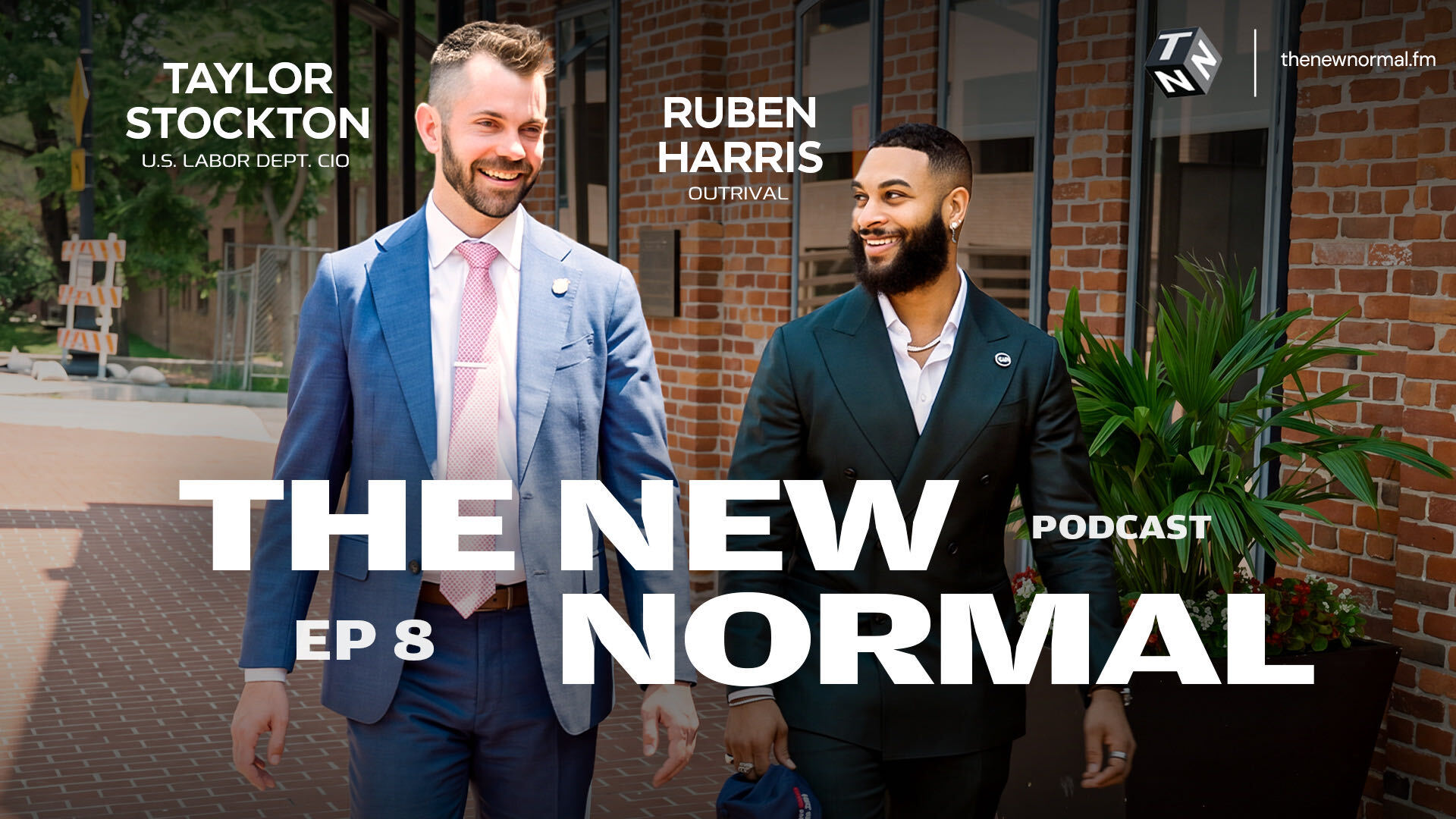
The New Normal, Episode 8: Taylor Stockton
U.S. Department of Labor Chief Innovation Officer Taylor Stockton on putting workers at the center of the AI Action Plan, teaching AI over text message, and why operators get rollout wrong. Five takeaways from Episode 8 of The New Normal.
Ruben Harris · Sep 10, 2026
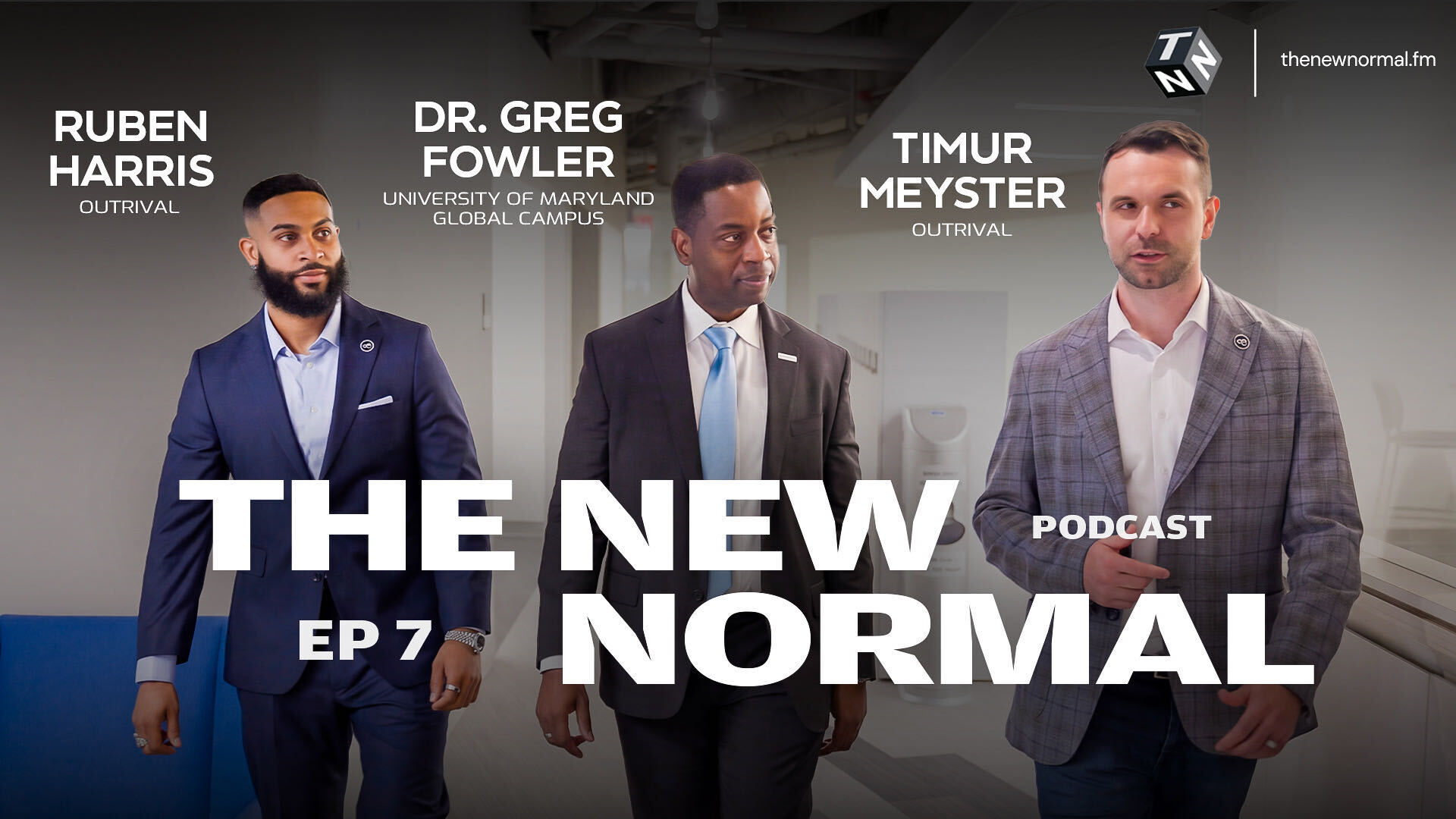
The New Normal, Episode 7: Dr. Greg Fowler
University of Maryland Global Campus President Greg Fowler on turning military rank into academic credit, forecasting student needs, and choosing chatbots, copilots, or agents. Five takeaways from Episode 7 of The New Normal.
Ruben Harris · Sep 3, 2026
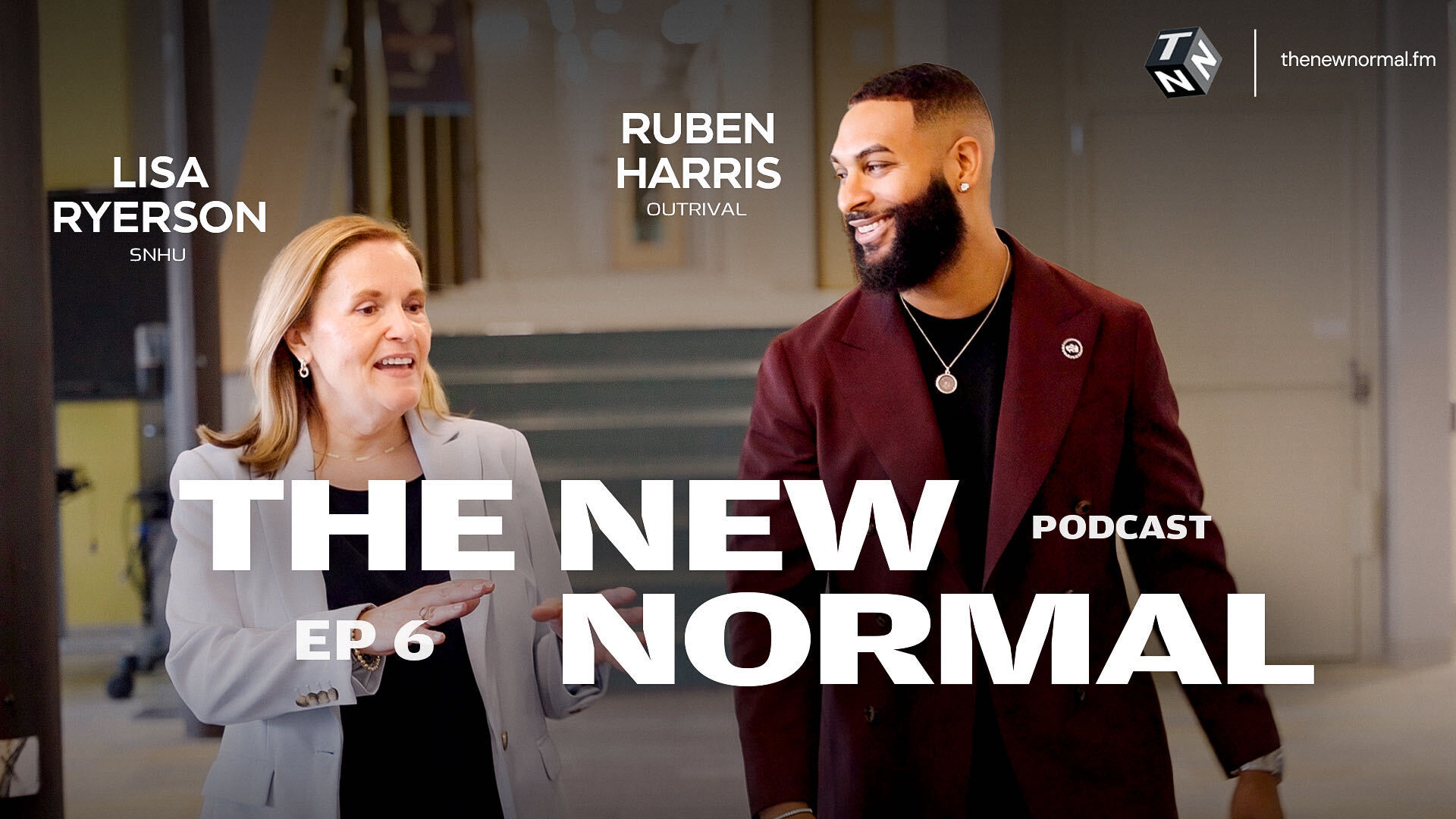
The New Normal, Episode 6: President Lisa Marsh Ryerson
Southern New Hampshire University President Lisa Marsh Ryerson on serving 225,000 learners at a time, why higher ed cannot tweak its way to an AI-native future, and what she wants from the companies pitching her. Five takeaways from Episode 6 of The New Normal.
Ruben Harris · Aug 27, 2026