September 10, 2026
By Ruben Harris
The New Normal, Episode 8: Taylor Stockton
Five takeaways from the U.S. Department of Labor’s chief innovation officer on putting workers at the center of America’s AI plan, teaching AI over text message, and why operators get rollout wrong.
Text READY to 20202 and a free AI course arrives in seven daily installments of about ten minutes each. Roughly 100,000 Americans have completed it since it launched.
It comes from the U.S. Department of Labor, where Taylor Stockton is chief innovation officer. This role was created after the department concluded that the concept of labor is changing faster than incremental fixes can address. Stockton came to it from the private sector, most recently as chief operating officer of FutureFit AI.
Stockton is the eighth guest on The New Normal, OutRival’s interview series with leaders deploying AI in production, and the first from government. The conversation covers what the federal AI strategy asks of the workforce, why the department chose text messages for a national program, and what operators get wrong when they roll AI out to their own teams.
Here are the five biggest takeaways from his conversation with OutRival co-founder Ruben Harris.
1. The AI Action Plan puts workers at the center
The White House AI Action Plan sets three conditions for American leadership in AI: innovation, infrastructure, and diplomacy. The third means other countries building on an American tech stack, which he describes as carrying American values and security standards.
The part he keeps returning to is the plan’s answer to how, not just whether, America wins the AI race. “It’s not just about if we win the AI race, it’s about how we win the AI race,” he says. The administration’s stated first principle is that winning has to improve the livelihood of American workers.
The plan addresses workers in two places.
One section covers the trades needed to build AI infrastructure itself: electricians, HVAC technicians, pipefitters, and plumbers, roles in short supply and open without a four-year degree.
The other addresses the broader workforce, asking what programs help people navigate an economy AI is already reshaping. Stockton says the federal record on that front has failed workers and businesses alike.
2. A seven-day AI course that fits in a text thread
Stockton calls AI literacy the department’s most critical priority, because the new jobs and higher wages he sees AI creating stay out of reach for anyone without a sense of how to use it. Make America AI-Ready is the program built on that premise, and the AI 101 course at its core is free and runs entirely over text message.
The channel was chosen deliberately. About 98% of Americans have cell phones. Stockton says he watched workforce programs in his private sector career that required an app download, a laptop, or home internet, and each requirement became a barrier for the people it was meant to reach. Ten minutes a day for seven days follows the same logic, so the course fits into a commute or the time between shifts. “Research shows that oftentimes the first step in engaging with AI is the hardest step,” he says.
The course also widens what people picture when they hear the word AI. Most Americans assume the question is whether they have used ChatGPT, and many who have treat it as a better search engine. Stockton wants them looking at applications built for their own field.
3. Replacing speculation with shared data
The AI Workforce Hub is the department’s R&D function for supporting workers through the transition, and it starts from a complaint. The public conversation about AI and work, Stockton says, is speculative rather than data driven, fragmented, and full of extreme headlines.
The hub’s answer is to gather the evidence in one place.
About 40 organizations share data with the department, including AI research labs, HR tech companies, job boards, and staffing firms, each seeing a different slice of the labor market. The department aggregates and anonymizes what it receives, then publishes it back, answering the questions the headlines are guessing at: how AI is affecting specific jobs, how it is changing the skills those jobs require, and where productivity and wage gains are showing up.
Stockton says this material has never been assembled centrally before.
Subscribe to The New Normal here.
4. Build versus buy is missing a second axis
Harris asks how operators should weigh building AI capability themselves against partnering to buy it. Stockton’s answer is that the more useful question runs on a different axis: top down versus bottom up.
HR leaders who ran top down AI integration programs found their workers pushing back, unconvinced and disengaged. The companies succeeding, whether they built or bought, are building trust with their workforces and bringing them into the decision about where AI belongs. The front lines know which parts of the workflow are most annoying and most inefficient.
5. Your planning cycle is slower than the technology
When Stockton talks to HR leaders, they describe recruiting, internal mobility, performance management, and strategy roadmaps running on annual cycles, or six-month cycles at best. Technology now changes every day, which means the skills a company needs change every day too. His question for every stakeholder, government included, is how to compress those cycle times.
The department is applying that test to itself. Stockton says government has historically prioritized rigid program inputs over outcomes, because the registration and reporting were not worth the effort for programs that were not measuring results anyway. Registered apprenticeships are his example. The model works, but registration took too long and compliance asked too much, so the department streamlined the timelines to make it worth the trouble for more industries.
Listen to the episode
Check out the full episode to hear:
- Why the lump of labor fallacy explains most of the anxiety about agentic AI
- The five pillars of America’s Talent Strategy
- Which human skills get forgotten in AI readiness conversations, and why preparing teachers and managers matters too
- Where to look on DOL.gov to work with the department
- The one word he uses to describe the American worker
Other Articles
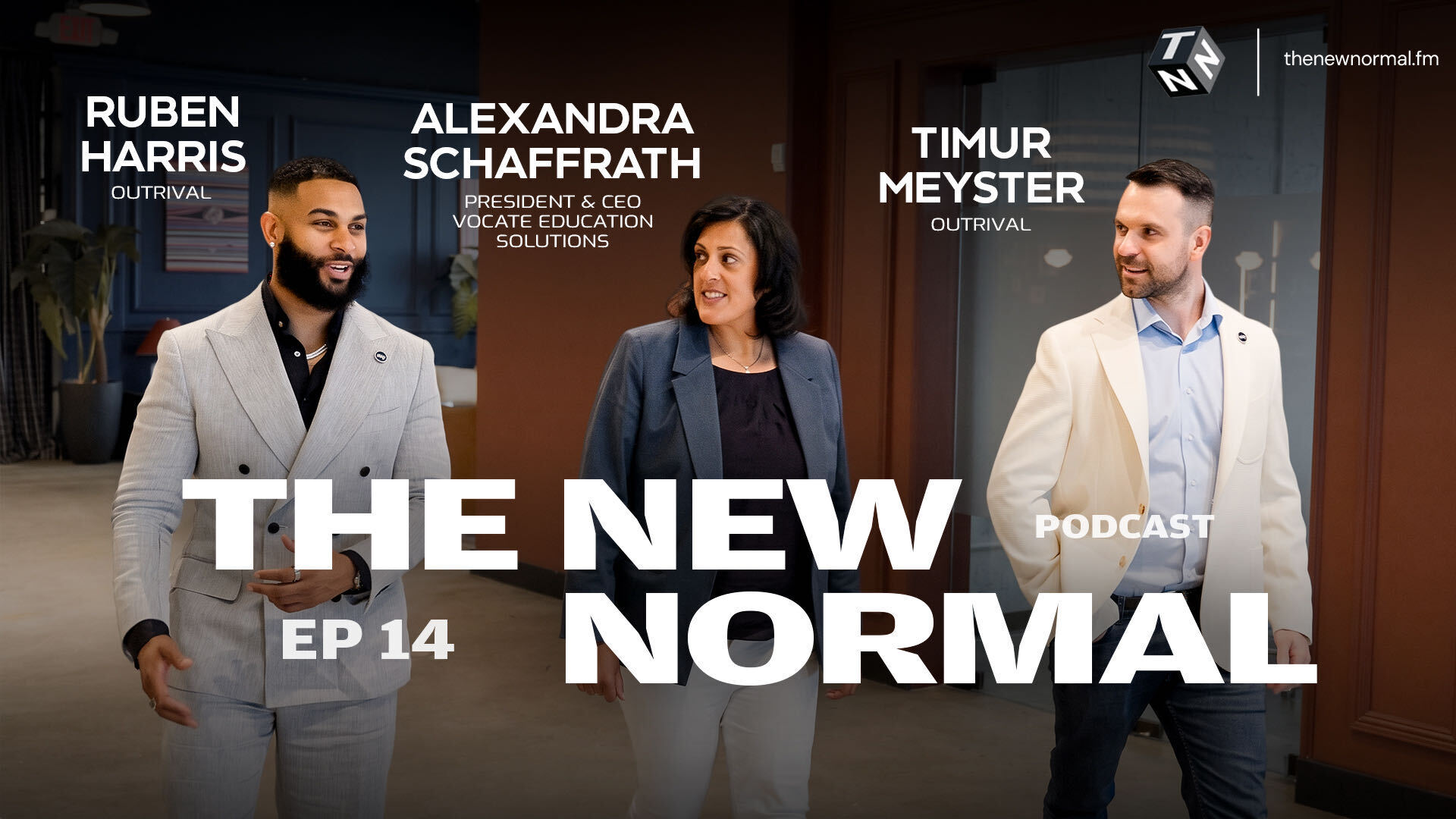
The New Normal, Episode 14: Alexandra Schaffrath
Vocate Education Solutions President and CEO Alexandra Schaffrath on building an organization around job placement, supporting students who study after midnight, and why annual planning cycles are over. Five takeaways from Episode 14 of The New Normal.
Ruben Harris · Oct 23, 2026
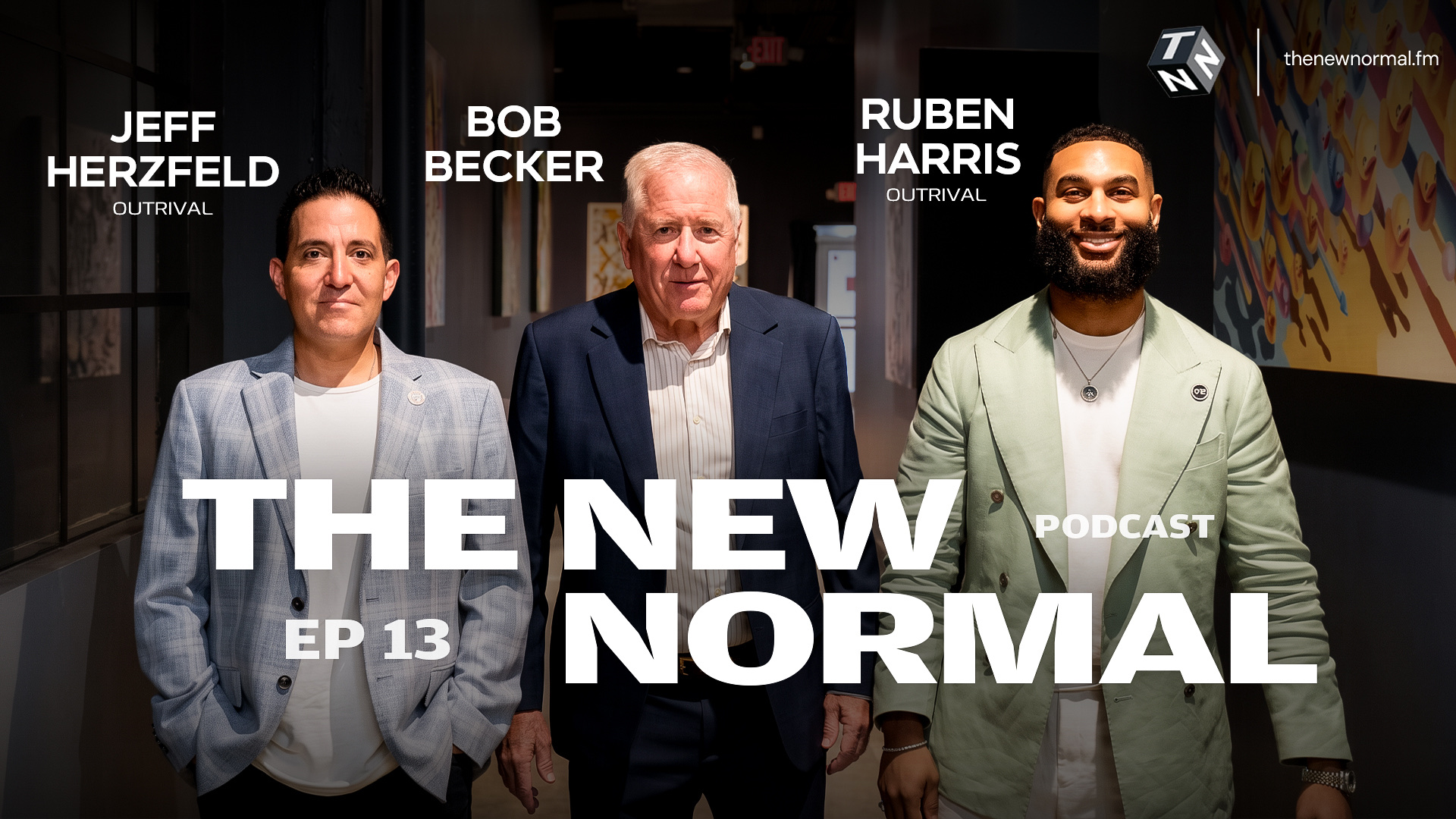
The New Normal, Episode 13: Bob Becker
Bob Becker, who built the outbound direct sales teams at Carnival and Norwegian, on clearing the dirt out of a salesperson's day, calling the leads cruise lines already paid for, and starting AI with one use case. Five takeaways from Episode 13 of The New Normal.
Ruben Harris · Oct 15, 2026
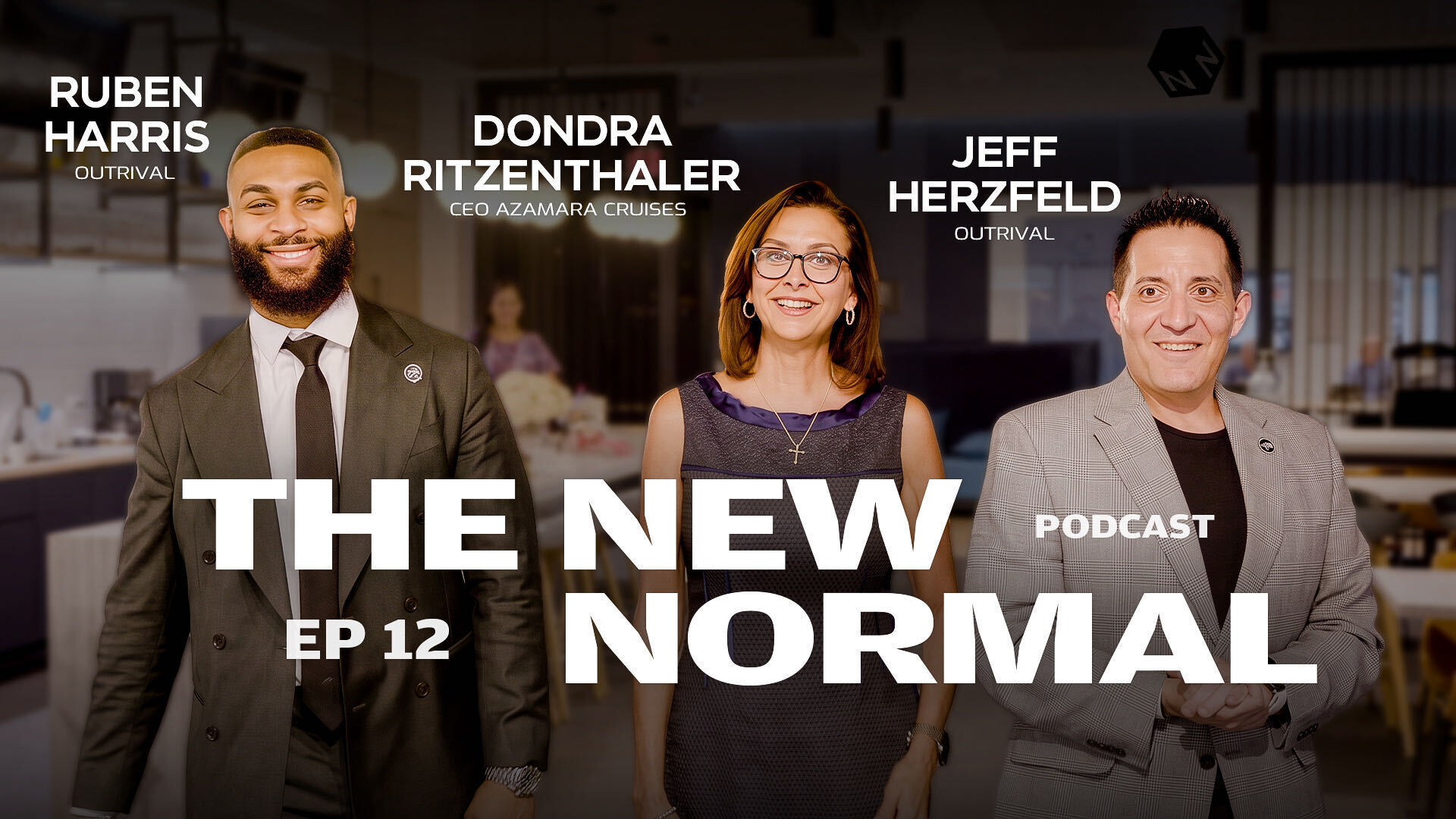
The New Normal, Episode 12: Dondra Ritzenthaler
Azamara Cruises CEO Dondra Ritzenthaler on building the data foundation before the rollout, letting AI do the groundwork while a person closes the sale, and treating efficiency as the minimum for AI. Five takeaways from Episode 12 of The New Normal.
Ruben Harris · Oct 8, 2026