November 5, 2026
By Ruben Harris
The New Normal, Episode 16: Anne Kress
Five takeaways from the president of Northern Virginia Community College on redesigning the student journey, what NOVA learned from building and buying AI tools, and why students are already asking for agents of their own.
Northern Virginia Community College (NOVA) serves 76,000 students a year across six campuses, and close to 20,000 of them are high schoolers earning college credit at no cost. It accounts for a third of all enrollment in the 23-college Virginia Community College System, and 72% of its students attend part time. Anne Kress has led NOVA as president since January 2020, after three decades in community colleges.
Kress is the sixteenth guest on The New Normal, OutRival’s interview series with leaders deploying AI in production. The conversation, recorded on NOVA’s Annandale campus, covers redesigning the student journey, what NOVA learned from building and buying AI tools, and why students are already asking for agents of their own.
Here are the five biggest takeaways from her conversation with OutRival co-founder Ruben Harris.
1. Design the journey for the students you actually have
Most NOVA students balance classes with jobs and families, and many returning learners in its FastForward credential programs have tried college before. In a study with Rutgers University, those students described earlier attempts that didn’t work, and most blamed themselves. “That’s not right,” Kress says. “We have a responsibility to create these college journeys so that they are successful for students.”
The system is now mapping what Kress calls a blue sky journey. A returning learner would get a personalized coach to turn past experience into college credit, connect them with supports like food pantries and childcare grants, and celebrate milestones along the way. “You’re not wandering in the wilderness. You’ve got a GPS,” she says.
Kress knows what that help can do. Ready to give up on her doctorate, she ran into Cathy, a staffer in the University of Florida’s English department, who found her a path through the College of Education. “But there aren’t enough Cathys,” she says. NOVA will never have the staff to coach every student that way, so it is looking to AI agents to fill the gap.
2. Start with one thing, then implement it with the people who use it
Chad Knights, NOVA’s vice president for academic affairs, built an agent over a weekend while watching football at home. It tells a student which courses to take, and in what order, to transfer to a school like George Mason University. Knights has since shared it with the Virginia Community College System, which is now reviewing it. “You don’t need to have tens of millions of dollars often to implement these tools,” Kress says.
Buying a tool doesn’t guarantee results, either. NOVA bought software to evaluate incoming transcripts, and staff saw no gains. So NOVA brought the end users in, rethought the workflow, and re-implemented the same tool. Within a couple of days it was processing hundreds of transcripts an hour, and registrar staff could focus on the complicated cases that need their expertise.
Subscribe to The New Normal here.
3. Keep humans in the lead
At a panel with senior system leaders, one NOVA student said he wanted something that would look at his situation and tell him his next step, instead of sending him to the website. Another student on the panel called it an AI agent. “They’re claiming it, and now it’s our responsibility to provide it,” Kress says.
Students are already using AI on their own. NOVA’s student success guides hear students say they asked Gemini or Claude what NOVA requires. Kress is glad they are looking for help, but wants NOVA to control the agent so the answers are accurate.
She calls NOVA’s model human in the lead. Every employee’s knowledge is irreplaceable, and agents give them fast access to everyone else’s. A faculty member with 130 students a semester can’t know every support the college offers, but an agent can bring back a personalized answer right away. Students gain the same access, which matters for part-timers short on time to run between offices.
4. Build wins into the struggle
People make time for what they want. Kress points to people already planning time off around the release of Grand Theft Auto VI. NOVA returns over $8 for every $1 of tuition, yet many who qualify never enroll.
Kress thinks the current debate over AI romanticizes struggle. NOVA students already struggle, often working two or three part-time jobs. “Friction actually works in two directions,” she says. She wants courses to give students wins along the way, like a 21-day challenge that celebrates showing up prepared every day.
Cohorts help too. NOVA’s ADVANCE partnership with George Mason moves students through as a cohort, with coaches and a spelled-out course map. Its students are retained at higher rates and graduate from Mason in under two years on average. ADVANCE serves about 3,800 students, and Kress wants to use AI to replicate it for all 76,000.
5. Reach out first
NOVA looked at 18 months of data and found 7,500 students who had stopped out within about a semester of finishing a degree and hadn’t enrolled anywhere else. Coaches from InsideTrack contacted them, often several times each. Some had run out of Pell Grant money, so the NOVA Educational Foundation offered last-mile scholarships, while others needed childcare grants or a different program. A little more than 7% returned within about six months, and more kept coming back.
Coaches kept hearing that students didn’t think anyone cared whether they came back. Kress wants agents to reach every student who leaves NOVA short of a degree, and to bring in NOVA staff when a student needs more help. “You don’t have to put your hand up first,” she says. “We’ll put our hand out first.”
Listen to the episode
Check out the full episode to hear:
- What “NOVAwhelm” is, and why NOVA is auditing every message it sends students
- Her metaphor of a 300-pound wheel of cheddar and a cow
- Why she believes community colleges are the best sector of higher education
- Her book pick, Station Eleven, and why she calls it hopeful
- The one thing she says AI will not change
Other Articles
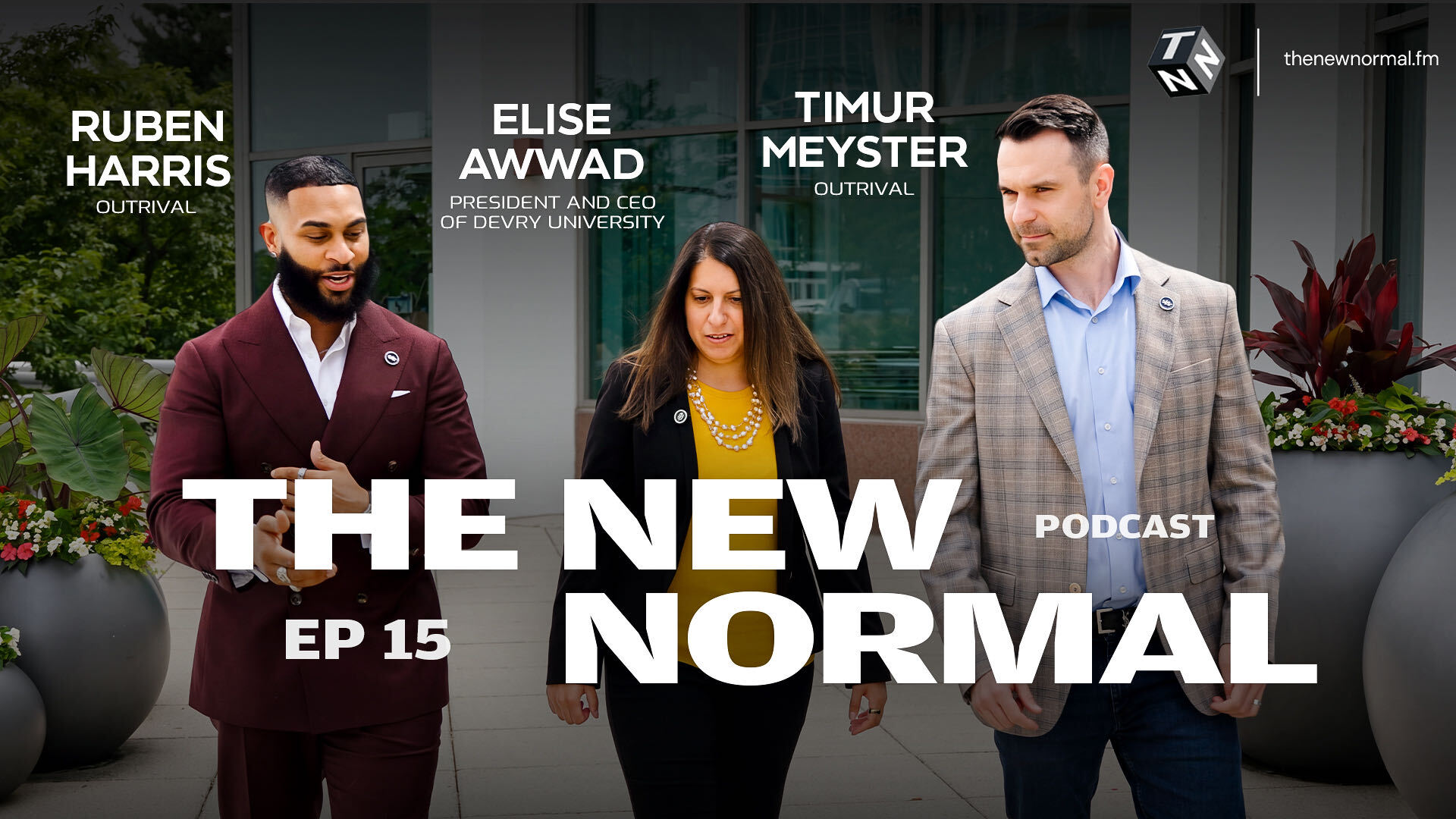
The New Normal, Episode 15: Elise Awwad
DeVry University President and CEO Elise Awwad on a goal of educating 100,000 learners by 2030, holding tuition flat while growing, and scaling only the pilots that improve outcomes. Five takeaways from Episode 15 of The New Normal.
Ruben Harris · Oct 29, 2026
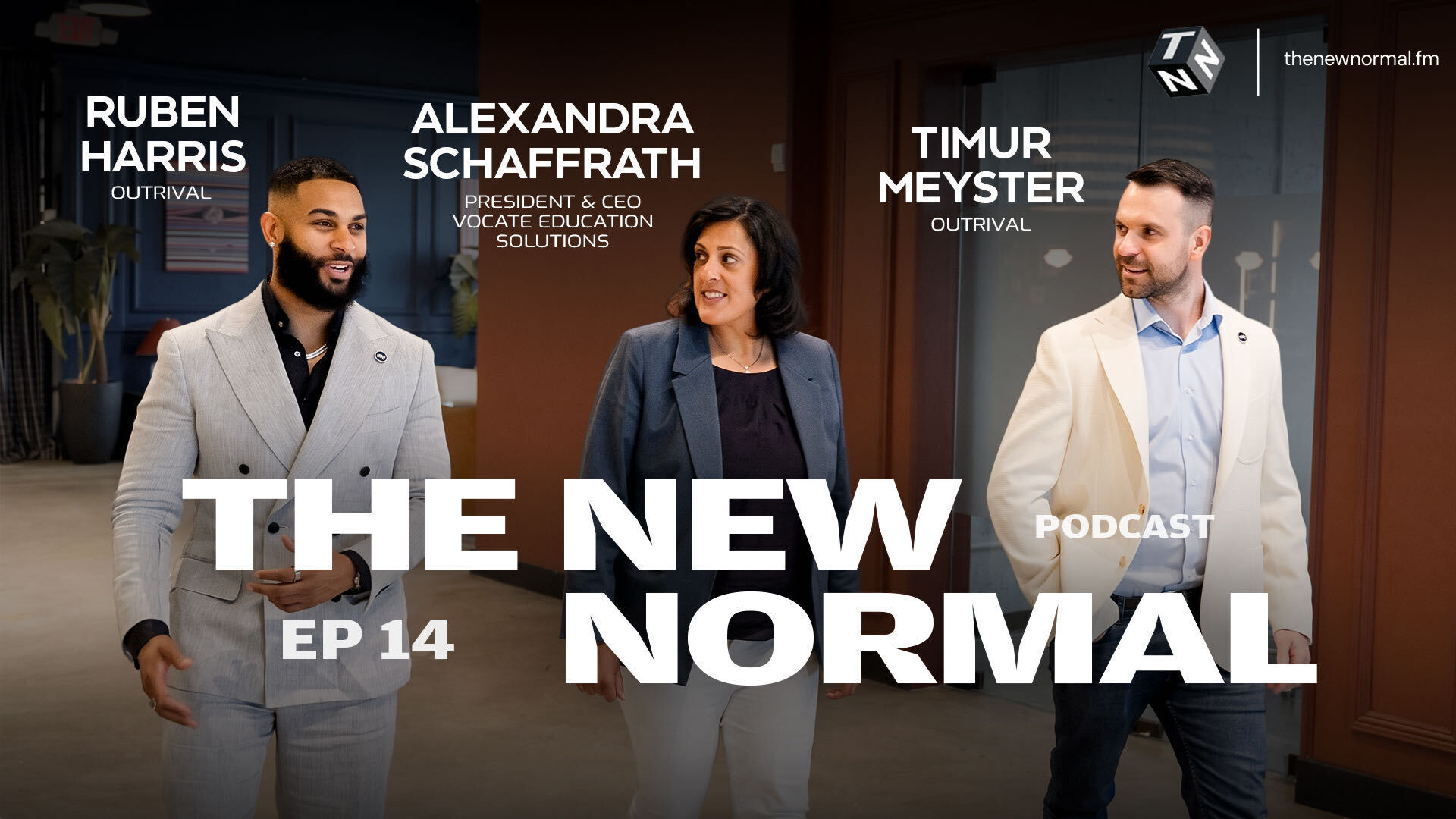
The New Normal, Episode 14: Alexandra Schaffrath
Vocate Education Solutions President and CEO Alexandra Schaffrath on building an organization around job placement, supporting students who study after midnight, and why annual planning cycles are over. Five takeaways from Episode 14 of The New Normal.
Ruben Harris · Oct 23, 2026
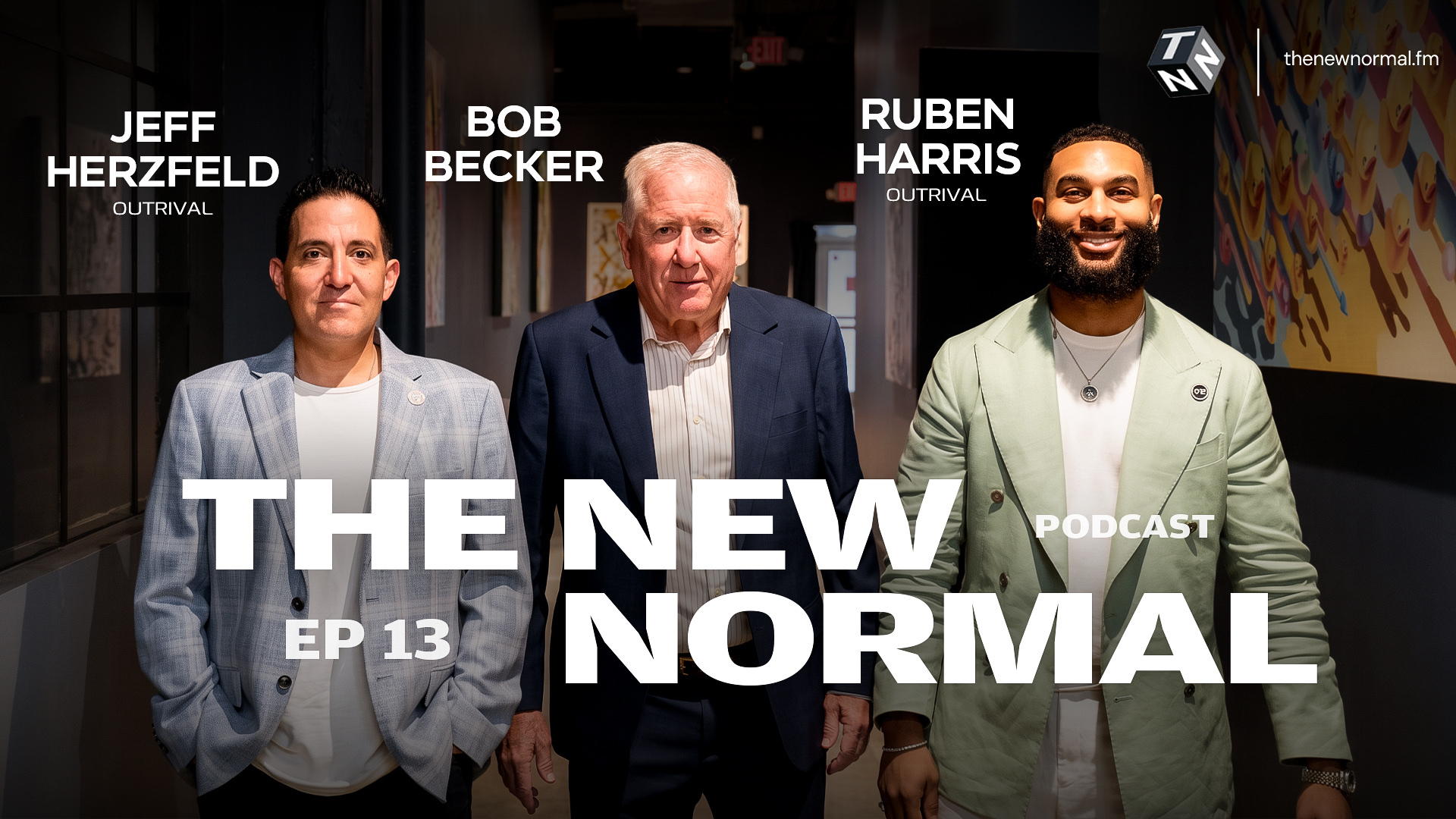
The New Normal, Episode 13: Bob Becker
Bob Becker, who built the outbound direct sales teams at Carnival and Norwegian, on clearing the dirt out of a salesperson's day, calling the leads cruise lines already paid for, and starting AI with one use case. Five takeaways from Episode 13 of The New Normal.
Ruben Harris · Oct 15, 2026