October 29, 2026
By Ruben Harris
The New Normal, Episode 15: Elise Awwad
Five takeaways from the president and CEO of DeVry University on a goal of educating 100,000 learners by 2030, holding tuition flat while growing, and scaling only the pilots that improve outcomes.
DeVry University was founded in Chicago in 1931 and this year marks its 95th anniversary. It serves about 33,000 learners in business, healthcare, and technology programs, from undergraduate through graduate degrees.
Elise Awwad joined DeVry in 2004 as one of its first 30 online admissions advisors, worked her way through enrollment and operations roles to chief operating officer, and in 2023 became the university’s first female president and CEO.
Awwad is the 15th guest on The New Normal, OutRival’s interview series with leaders deploying AI in production. The conversation, recorded on DeVry’s campus in Naperville, covers the university’s goal for 2030, how it holds tuition flat while growing, the pilots it stopped and the ones it expanded, and why the advisor’s job shapes how she thinks about agents.
Here are the five biggest takeaways from her conversation with OutRival co-founders Ruben Harris and Timur Meyster.
1. A growth goal with outcome targets attached
When Awwad took over as CEO, she says DeVry had gone a long time without a North Star goal, a single long-term target the whole institution works toward. So she wrote one: educate 100,000 learners by 2030. The count includes degree seekers, working adults taking courses to upskill, and alumni who return for one or two courses.
She ties that number to outcome targets: a 90% persistence rate, meaning the share of learners who continue from one course to the next, and a graduation rate of 75% or higher.
“It’s not just about scaling to 100,000 learners, it’s about making sure that we’re doing that with outcomes in mind,” she says.
2. Flat tuition depends on how DeVry operates
DeVry has not raised tuition in six years, even as the cost of serving learners has gone up, and it has increased scholarships and grants to roughly $90 million a year. Awwad says keeping both commitments requires “digital and operational excellence” so money can go back into the learner experience.
Much of that work runs through what DeVry calls its digital care engine. If a learner needs help when no advisor is online, automated support responds right away. If a learner is struggling in a class, DeVry reaches out first. “When frustration rises, that’s more of a reason for a student to give up,” Awwad says.
Persistence now sits above 89%, a historical best for the university, though Awwad notes the figure hasn’t been audited yet. She tracks it closely because learners who persist at a high rate in their first year are more likely to graduate.
Subscribe to The New Normal here.
3. Scale what moves outcomes
DeVry pilots constantly, and Awwad is open about the ones that didn’t work.
One was a generative AI tool in the classroom meant to help students retain information. Learners gave it high satisfaction ratings, but course success rates didn’t improve, so DeVry decided against scaling it. “When you implement technology, it’s not free,” Awwad says. “You have to be able to prove that there’s an outcome on the back end.”
A virtual assistant built with an outside partner did better. In its first set of courses, it answered 90% of learners’ routine questions. Instructors no longer have to field those questions in office hours, and DeVry has since rolled the assistant out to every course.
DeVry’s first attempt at automating career services didn’t go as planned. About four years ago, it brought in a vendor to automate resume writing and interview prep, expecting the tools to cut down on calls to career advisors. Calls went up instead.
DeVry recently tried again with a startup it met at the ASU+GSV Summit, an annual education technology conference, which agreed to co-design the product with the university. Usage and adoption are now growing.
4. Co-design partners save months
When a pilot falls short and the vendor can’t adjust the product to fix it, DeVry has to start scouting for a new partner, and that search takes months. A co-design partner can change the product during the pilot, so DeVry keeps the progress it has already made.
Awwad says many off-the-shelf solutions don’t fit the learners DeVry serves, which is why customization matters. With bad actors increasingly targeting higher education, every tool also goes through a cybersecurity check before a pilot begins.
Awwad expects the same kind of collaboration from her own staff. IT works alongside other departments to find and build solutions. Frontline staff and middle managers can pitch ideas directly to the executive committee through a council, and chief experience officer Richard Korczyk’s team runs Shark Tank-style competitions where some ideas advance to pilots. Awwad says most of DeVry’s best ideas come from the people closest to students.
5. Be there when learners talk themselves out of it
At every commencement, Awwad asks graduates to stand if a description applies to them, such as working full time while in school or caring for a child or parent. By the end of the list, nearly everyone in the room is standing.
Drawing on her years as an advisor, Awwad says the job is to “be there when they’re talking themselves out of doing the very thing that they know they need to do,” and that is why DeVry has to get agentic AI right.
She describes agents as more proactive and personalized than chatbots or copilots, and DeVry already uses them for outbound calling. Her goal is for every learner to feel they have a personal, one-to-one interaction whenever they want one, including at midnight or 2 a.m., when DeVry’s data shows many of them are online.
When Awwad asks graduates after commencement why they chose DeVry, most tell her it was the care and support, including help that arrived before they realized they needed it.
Listen to the episode
Check out the full episode to hear:
- Why Awwad never wants to hire a bobblehead
- How she came back from a shattered ankle, with 10 screws and a plate, to run three Chicago Marathons
- DeVry’s commitment to teach AI literacy and fluency in every one of its courses
- Her goal of giving every learner a one-to-one industry mentor
Other Articles
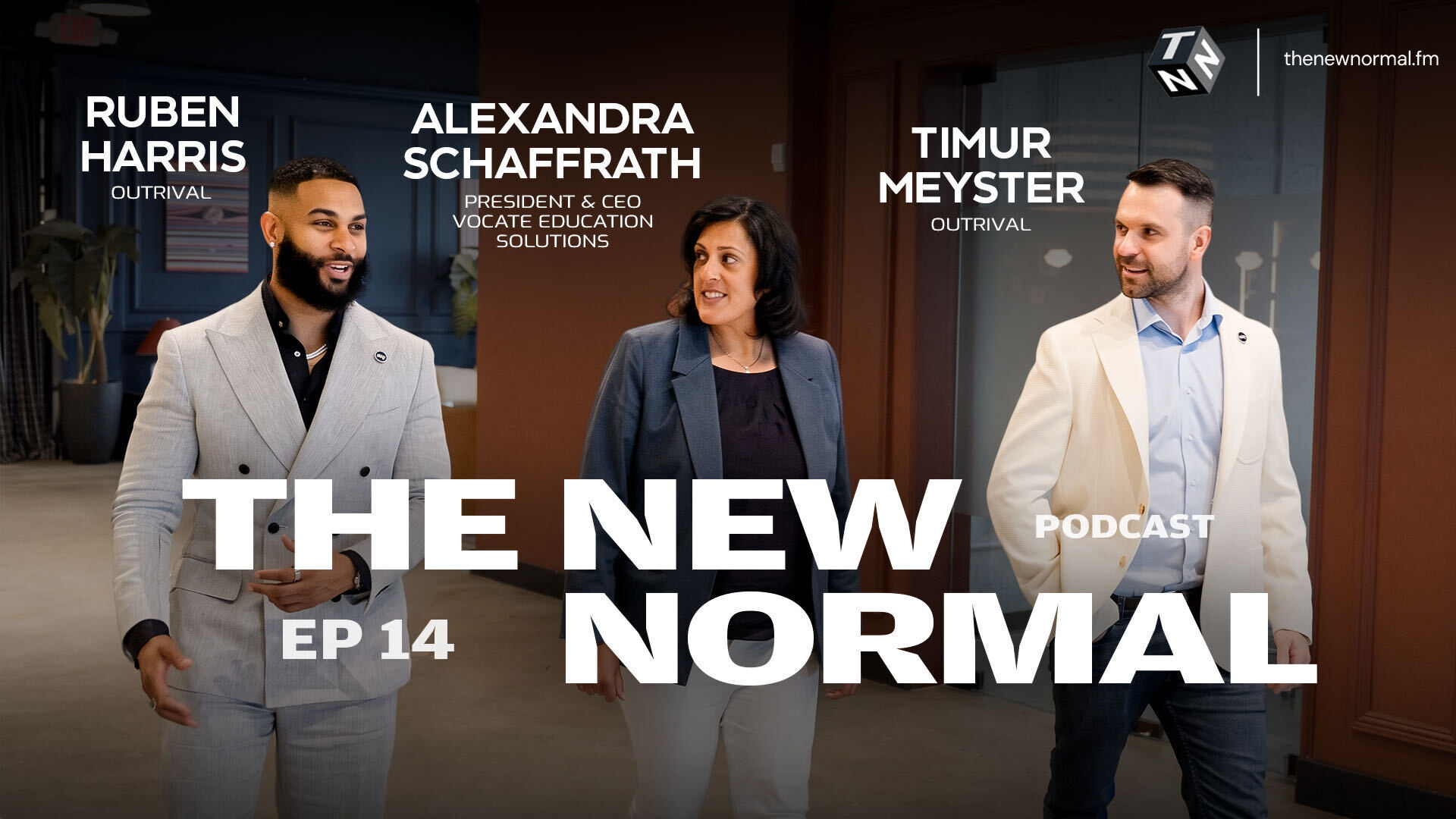
The New Normal, Episode 14: Alexandra Schaffrath
Vocate Education Solutions President and CEO Alexandra Schaffrath on building an organization around job placement, supporting students who study after midnight, and why annual planning cycles are over. Five takeaways from Episode 14 of The New Normal.
Ruben Harris · Oct 23, 2026
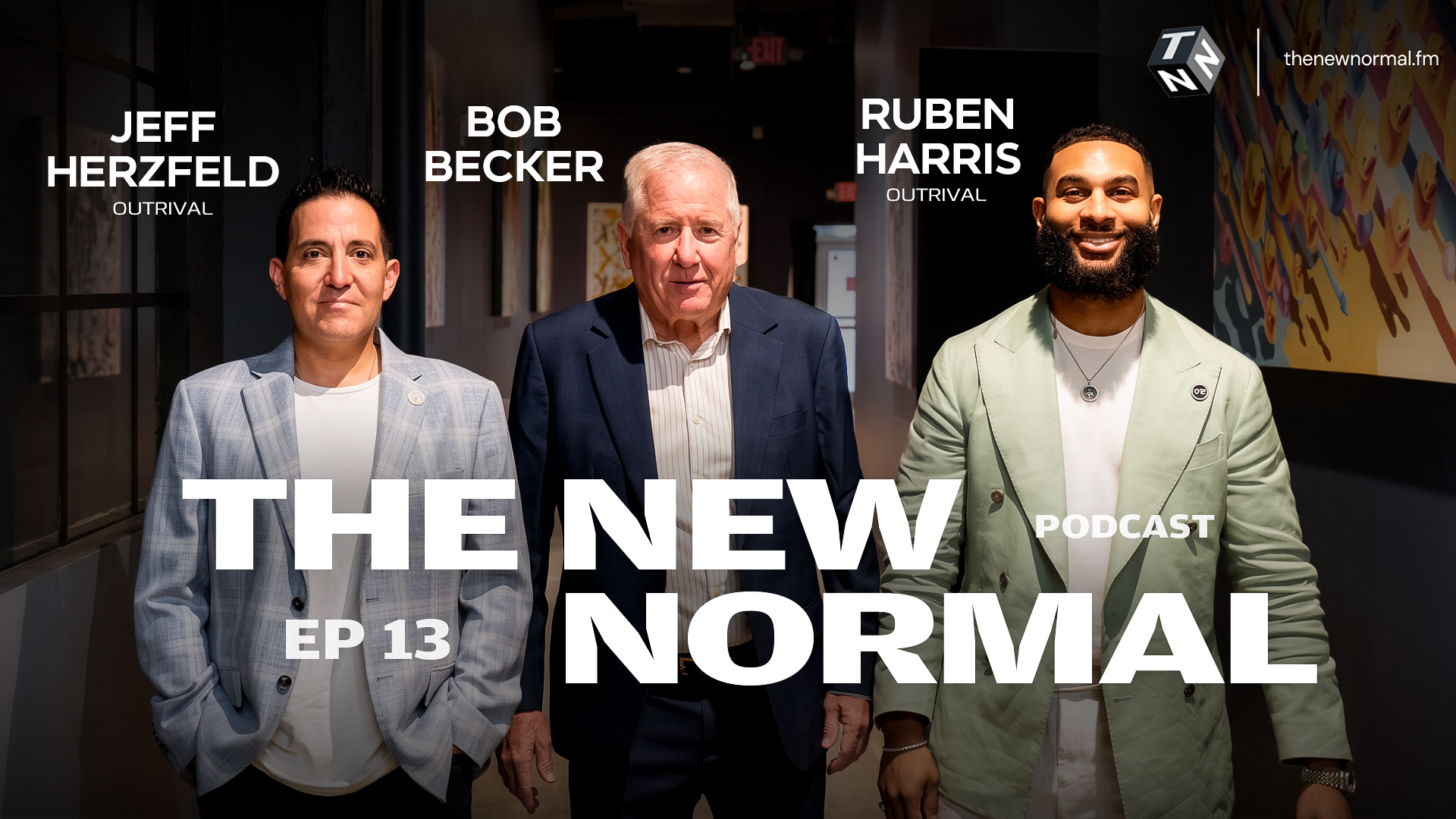
The New Normal, Episode 13: Bob Becker
Bob Becker, who built the outbound direct sales teams at Carnival and Norwegian, on clearing the dirt out of a salesperson's day, calling the leads cruise lines already paid for, and starting AI with one use case. Five takeaways from Episode 13 of The New Normal.
Ruben Harris · Oct 15, 2026
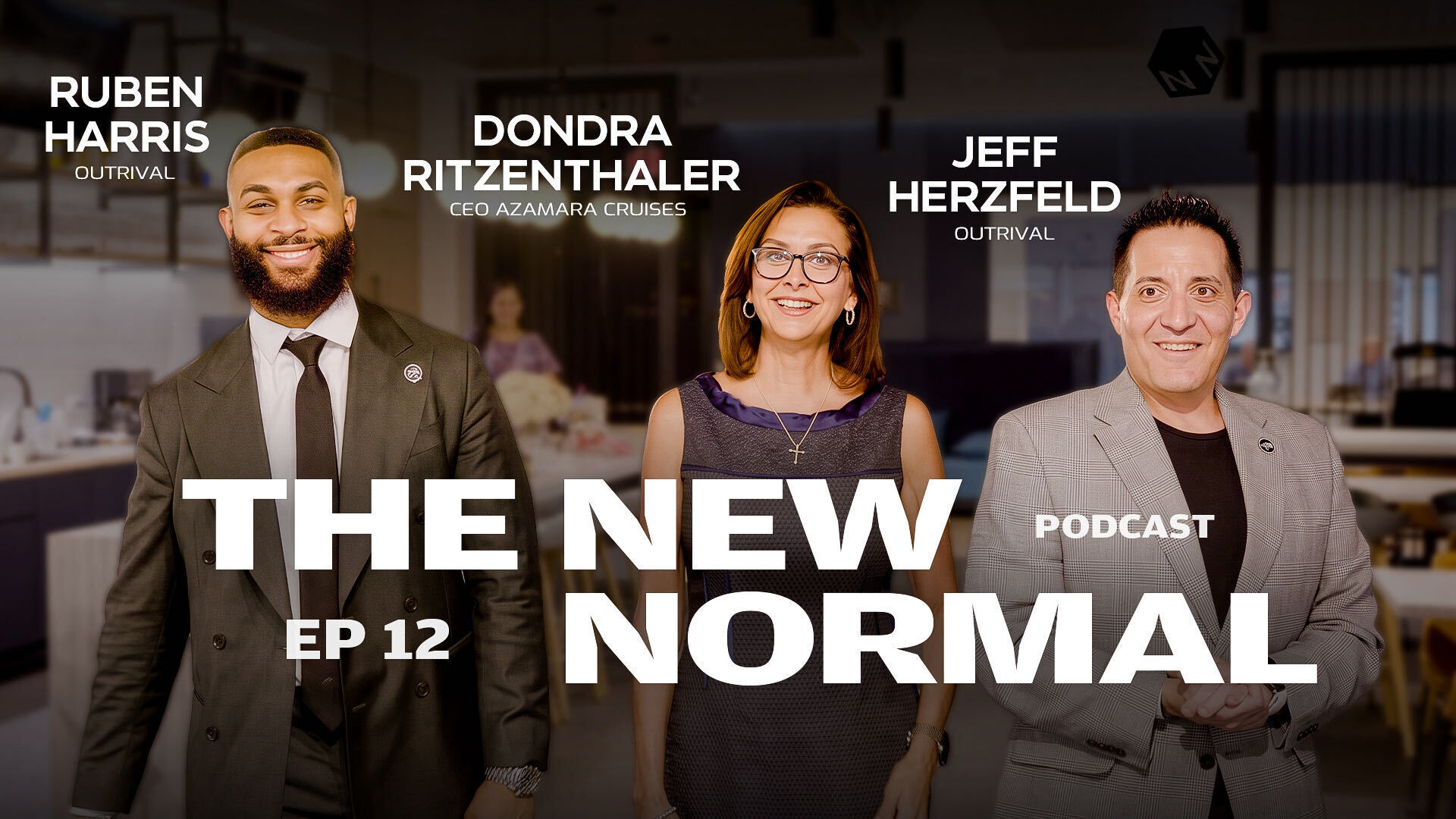
The New Normal, Episode 12: Dondra Ritzenthaler
Azamara Cruises CEO Dondra Ritzenthaler on building the data foundation before the rollout, letting AI do the groundwork while a person closes the sale, and treating efficiency as the minimum for AI. Five takeaways from Episode 12 of The New Normal.
Ruben Harris · Oct 8, 2026