July 9, 2026
By Ruben Harris
The New Normal, Episode 2: President Madeline Pumariega
Seven takeaways from the president of America's largest community college on deploying AI at scale.
Miami Dade College is America’s largest community college, with 125,000 students across eight campuses. It serves as the workforce engine for South Florida, educating everyone from first-time college students to working professionals looking to upskill in emerging technologies.
President Madeline Pumariega has made AI a cornerstone of that mission, turning MDC into one of the country's most ambitious examples of AI deployment in higher education.
Pumariega is the second guest on The New Normal, OutRival's new interview series with leaders who are deploying AI in production right now. The conversation took place at MDC's AI Center on the Wolfson Campus in downtown Miami, a few blocks from OutRival's home base. MDC opened the AI Center in 2022, launched Florida's first AI credential the year after, and has since trained more than 10,000 people and 400 companies.
MDC is partnered with OutRival to deploy Digital Workers inside its student services, where they help students plan academic paths, re-enroll when life gets in the way, and get support around the clock, without needing round-the-clock human staff.
Here are seven key takeaways from Pumariega’s conversation with OutRival co-founders Ruben Harris and Timur Meyster.
1. Skip the pilot. Deploy at scale.
In many organizations, the first step to deploying AI is a pilot. But MDC isn’t approaching AI like most organizations.
“I’m not a pilot person,” Pumariega says. “You can spend just as much time in a pilot as you can working at scale. So why not work at scale?”
It might seem counterintuitive, but the logic is simple.
Whether MDC pilots something on 100 students or deploys it to all 125,000, the team in the room is the same. The technology is the same. The setup time is the same. A pilot just limits how many people benefit. When MDC deploys something, it goes to everyone.
2. A Digital Worker is an employee. Give it an org chart.
At MDC, a Digital Worker is treated much like a human worker, with an identity of their own. They have a spot on the org chart, defined data privileges, clear guardrails, and form a part of the internal workforce.
The payoff of treating a Digital Worker as staff instead of software is that institutional knowledge stops walking out the door. When the human leaves, the work they'd offloaded to their Digital Worker stays put, keeps running, and can be assigned to whoever picks up the role next.
3. Students engage longer with Digital Workers than with humans.
The most surprising finding from the partnership between MDC and OutRival? On average, students spend more time in conversation with MDC’s Digital Workforce than they do with human staff.
Pumariega credits this to two design choices.
First, MDC’s team built empathy into their agents deliberately. Second, MDC doesn’t hide the fact you’re talking to an agent; students know from the start. In Pumariega’s words, “Let’s be truthful and build trust.” This keeps students in the conversation long enough to actually get help.
4. Reactive isn't the enemy. Proactive is a discipline you add on top.
Ask most enterprise AI leaders about reactive versus proactive, and they’ll tell you reactive is the problem to solve. Pumariega doesn’t agree.
In her view, you’re always going to be reacting to your environment. Being reactive isn’t wrong, in fact, it’s necessary. The important thing is what you do proactively on top of it.
For her that means three things: using AI to spot problems earlier, moving human staff to the moments where a person actually helps, and letting technology handle the round-the-clock support that used to require humans.
5. Foolproofing yourself against the future starts with a learning plan
Asked what people can do to foolproof themselves against a rapidly changing future, Pumariega’s advice is to make a learning plan and “continue to level up.”
At MDC, there are plenty of different kinds of students doing just that. Mid-career professionals adding AI skills to jobs they already do. Students in adjacent fields, nursing, education, psychology, who need AI applied to their domain to be better at what they trained for. And computer science majors who want to build. MDC was built for all three.
Subscribe to The New Normal here.
6. Leaders need one hour a day on higher order thinking.
Pumariega sets aside one hour every day to focus on higher order thinking.
“You can't go to the gym and have a six-pack without working on your abs,” Pumariega says. “As a leader, you've gotta spend that same time on higher order thinking.”
For her, that means one hour a day spent not on operation churn, or reacting, or spent in meetings, but thinking about what the institution needs to become. And she extends this practice to her whole team. A leader’s job is to build the culture that makes higher order thinking normal at every level.
7. Focus on your why
Asked what she'd tell another leader trying to do what MDC has done, Pumariega says to “focus on your why.” For her, that’s the students.
She calls herself “relentless in the pursuit to believe that 100% of our students can achieve their highest potential.” The AI investments, the anti-pilot stance, the org chart for Digital Workers, all of it traces back to the same anchor: making sure a specific student in Hialeah or Homestead can finish what they started.
Listen to the episode
Check out the full episode to hear:
- Why Pumariega thinks the future of higher education is stackable, not linear, and the MDC student who went from a four-week fiber optic training at $25-30 an hour to a project management program that doubled her salary
- Pumariega's take on why Miami will keep rising as a world-class city: “It's not a moment. It's not momentum. It's Miami.”
- The one piece of advice Pumariega gives every leader who asks how to do what MDC has done: “Focus on your why.”
Other Articles
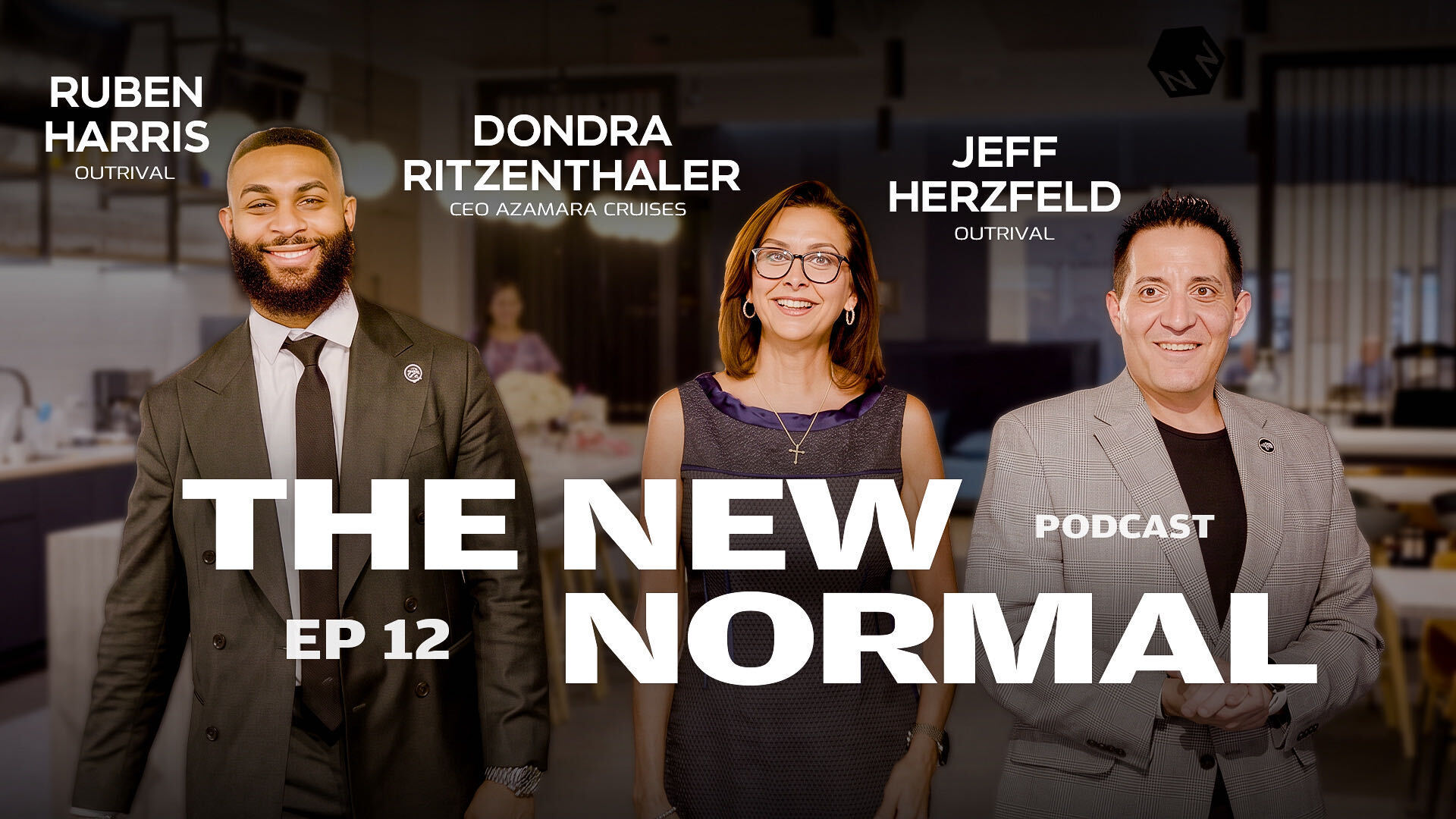
The New Normal, Episode 12: Dondra Ritzenthaler
Azamara Cruises CEO Dondra Ritzenthaler on building the data foundation before the rollout, letting AI do the groundwork while a person closes the sale, and treating efficiency as the minimum for AI. Five takeaways from Episode 12 of The New Normal.
Ruben Harris · Oct 8, 2026
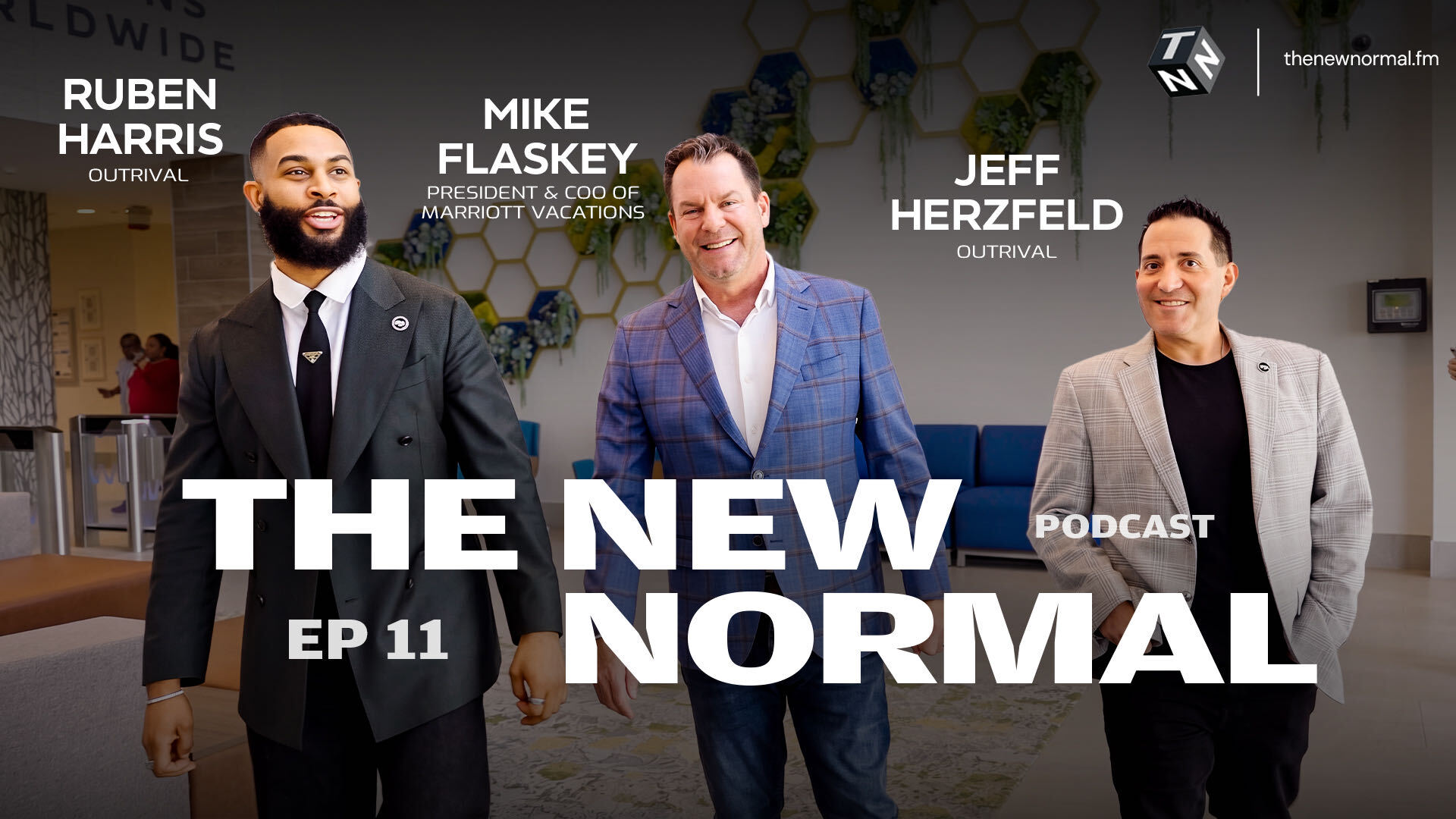
The New Normal, Episode 11: Mike Flaskey
Marriott Vacations Worldwide President and COO Mike Flaskey on loyalty as the growth engine, matching 1,400 sales associates to the right tour, and keeping the welcome human. Six takeaways from Episode 11 of The New Normal.
Ruben Harris · Oct 1, 2026
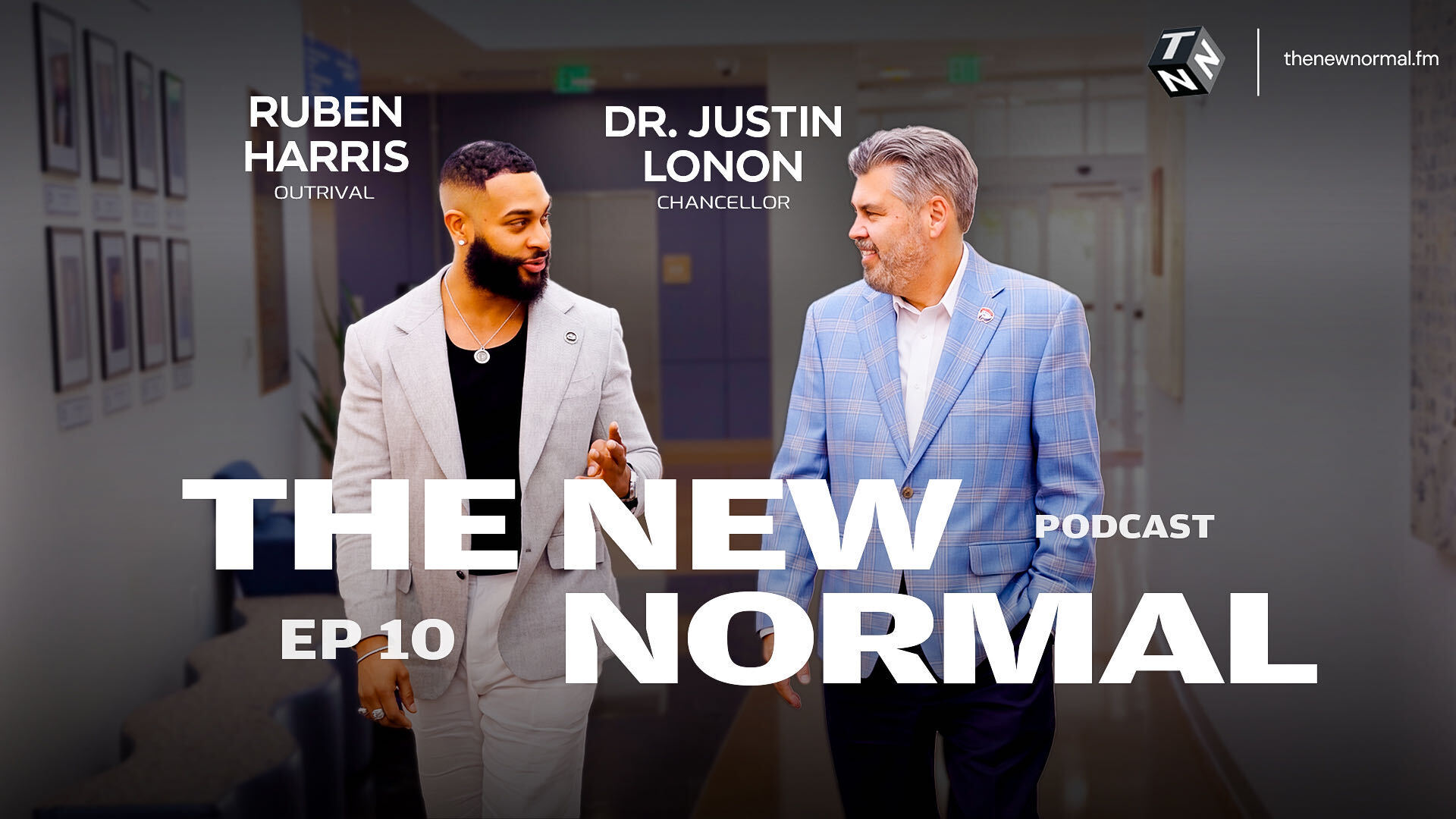
The New Normal, Episode 10: Chancellor Justin Lonon
Dallas College Chancellor Justin Lonon on building a 22nd century college, taking bigger AI risks in the back office, and making outbound personal. Five takeaways from Episode 10 of The New Normal.
Ruben Harris · Sep 24, 2026