Jun 25, 2026
By Ruben Harris
The New Normal, Episode 1: Kermit Cook on Reinventing Penn Foster with AI
Seven takeaways from the CEO of a 135-year-old education company on reinventing it with AI.
There are tons of podcasts right now talking about what AI might do at some point in the future. But at OutRival, we’re focused on what AI can do right now, and that’s exactly what we’re doing with our new podcast, “The New Normal.”
Every week, our co-founders Ruben Harris and Timur Meyster will sit down with industry leaders to talk about how they’re actually using AI tools, and how it’s changing the work they do.
Our guest for episode 1 is Kermit Cook, CEO of Penn Foster, a 135 year old distance learning company. Cook's team has spent more than a year building AI tools with OutRival. The partnership covers outreach to new prospects, re-engagement and nurture of leads who showed interest but never enrolled, handling inbound support calls, and post-enrollment support for learners at every stage of their programs.
Seven takeaways from the conversation:
1. Build ugly pots
Cook opens every board meeting with an “ugly pot” from the previous quarter.
The phrase comes from a parable about a ceramics class split in two: half the students are graded on a single perfect pot, the other half on total poundage. By the end of the semester, the poundage group is making better pottery.
The lesson Cook wants his team to absorb: experimentation has to be visibly safe at the top before it's safe anywhere else. He says the company has made “about 1,000 ugly pots” in the past year.
2. The academic calendar is the wrong speed for AI
“One of the things that became painfully ingrained for me is how the annual academic calendar constrains innovation,” Cook says.
The pattern in traditional education is to launch in August, wait a year to see whether it worked, and build the next roadmap for the year after. Software companies, meanwhile, ship multiple times a day.
Penn Foster operates more like the software side. Learners can start any day, 5,000 new ones enroll every week, and the company can A/B test in ways traditional institutions structurally cannot.
3. Penn Foster talked to 3% of its students. AI changed the math.
Before the partnership, Penn Foster was only able to speak with about 3% of its learners in a given month, while the other 97% were on their own. If a learner needed help, they were going to have to call in.
“We were almost 100% reactive in terms of learner support,” Cook says.
The same pattern appeared on the front end: prospective students inquired, but didn’t sign up, and rarely heard back.
The first pilot with OutRival targeted that second group. The result: outreach costs dropped by more than 70%, the campaign delivered a 30x return on investment, and over 80% of those who enrolled are still on track to graduate a year later.
4. AI tutors alone don't move the needle
Cook points to Sal Khan's recent admission that Khanmigo, Khan Academy's AI tutor, was “a non-event” for most students.
He has a clear theory of why: An AI tutor can't be the accountability partner who shows up when a learner has just decided they aren't good at math.
What works at Penn Foster is a different arrangement: AI watches every learner at once and surfaces the ones about to give up, then a real person makes the call. By integrating AI with Penn Foster's data on learner behavior, the system can spot that someone has submitted the same essay three times without passing, then connect them to a writing coach the moment they need one.
Subscribe to The New Normal here.
5. Skeptics often become the strongest advocates
The AI rollout took deliberate change management. “Change is hard, and you've got to make a really proactive investment in that,” Cook says.
Penn Foster trained every manager, not just executives, with in-person workshops and outside AI partners.
Cook points to a particular learning designer who initially worried the company was building AI to replace her. Halfway through a project to build a course from scratch with AI, she realized she could automate her own rote work instead.
She named her custom GPT “Chuck Norris” and pointed it at scanning assignments for reading level. What used to take her hours now takes five minutes.
6. Leaders owe something to the workers whose jobs change
Cook brings up Amazon’s Career Choice program as the model he wants to copy.
Amazon spends $5,250 per hourly worker on education and training, and it measures success by one single metric: whether the employee ends up in a higher-paying job, whether that be at Amazon or elsewhere.
Cook argues that where displaced workers end up should be treated as seriously as the financial case for the technology that displaced them. For a company built on retraining other people’s workers, doing right by his own team is the harder version of the same problem.
7. What higher ed leaders aren't asking themselves
Asked what higher ed leaders should be doing differently, Cook starts with a stat: a Penn Foster survey found that 80% of families with traditional-age high school learners don't believe college is the best path in a world of AI.
His solution: get focused on what jobs your programs prepare learners for, and whether tuition is in proportion to what those jobs pay.
He tells the story of a Penn Foster interior design graduate who finished the program for $1,500. Twenty years earlier she had taken the same program at the Arts Institute, finished $40,000 in debt, hit the 2008 financial crisis, and spent 15 years working retail to pay it off. Either path leads to the same job, for the same pay.
Institutions that can't draw a straight line from program cost to job pay, Cook says, are the ones in trouble.
Listen to the episode
Check out the full episode to hear:
- How a Penn Foster learning designer turned her worry about AI replacing her into a custom GPT named Chuck Norris
- The story of Monae Carter, who couldn't attend school because of sickle cell anemia, got her diploma from Penn Foster, and went on to medical school
- Why a rough 9-minute video lifted course completion rates by 15%
- What Cook's mother told him about starting a new career later in life: “Kermit, God willing, I've got another 20 years, and that's plenty of time for a whole new career”
Other Articles
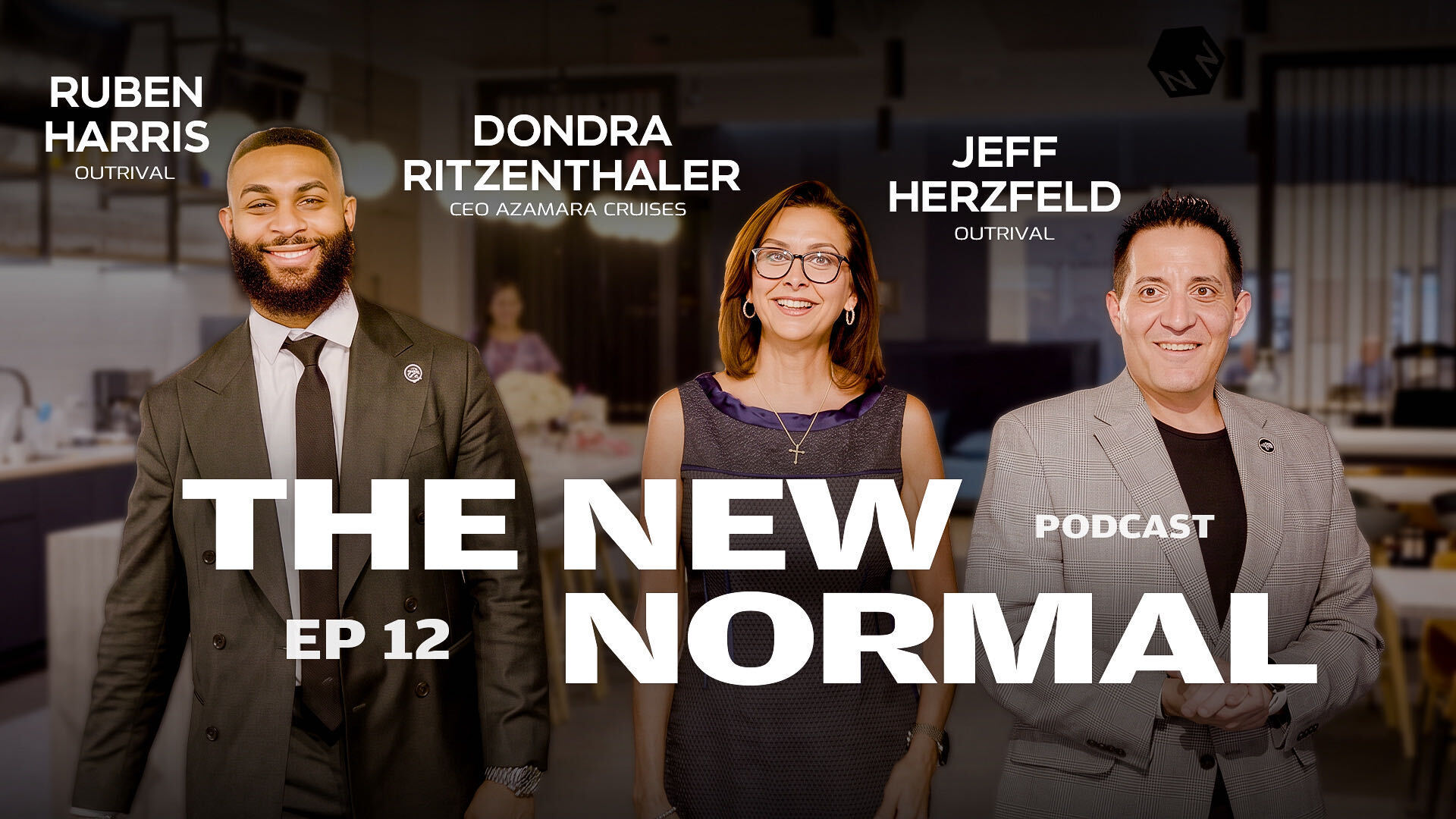
The New Normal, Episode 12: Dondra Ritzenthaler
Azamara Cruises CEO Dondra Ritzenthaler on building the data foundation before the rollout, letting AI do the groundwork while a person closes the sale, and treating efficiency as the minimum for AI. Five takeaways from Episode 12 of The New Normal.
Ruben Harris · Oct 8, 2026
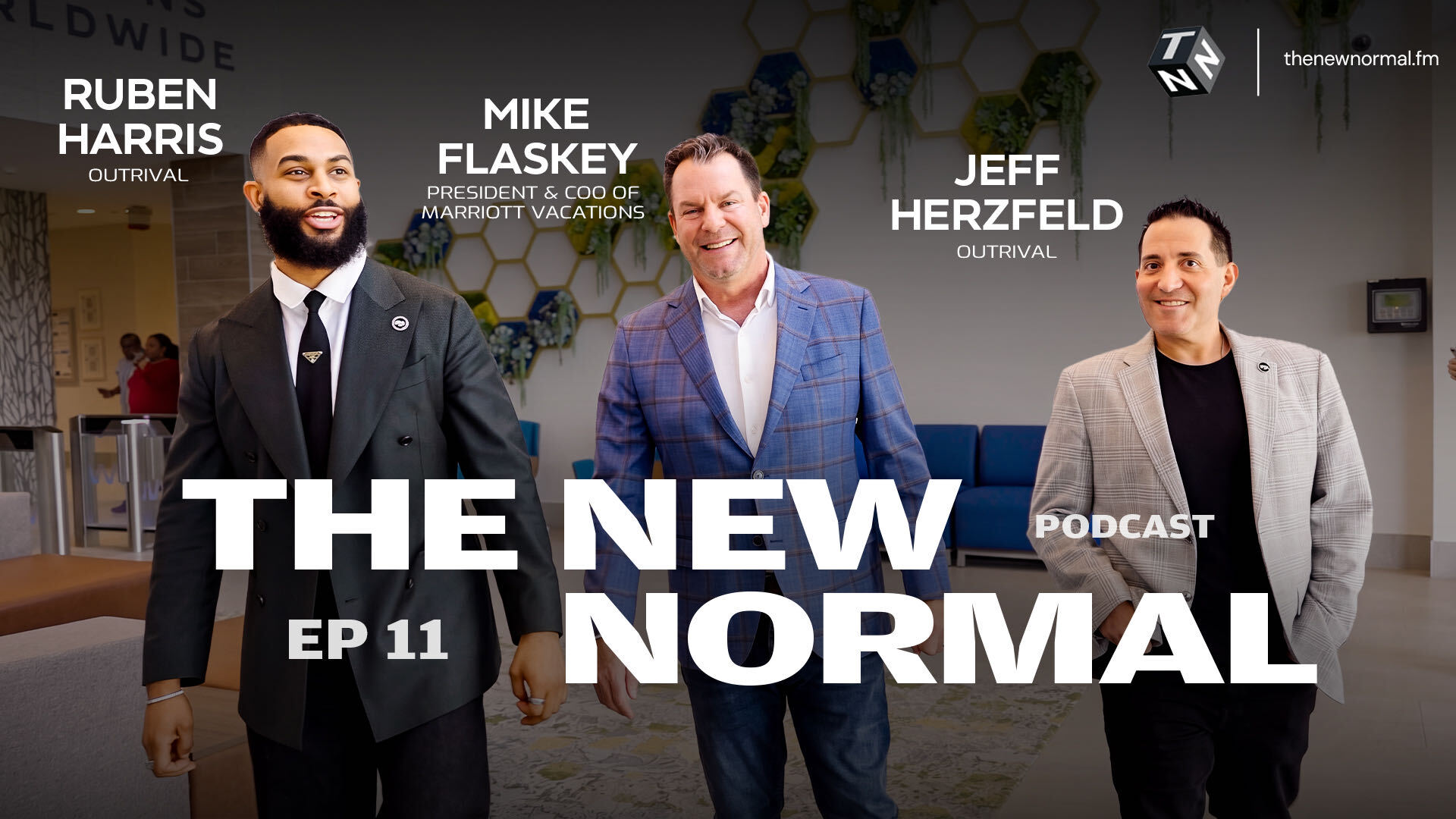
The New Normal, Episode 11: Mike Flaskey
Marriott Vacations Worldwide President and COO Mike Flaskey on loyalty as the growth engine, matching 1,400 sales associates to the right tour, and keeping the welcome human. Six takeaways from Episode 11 of The New Normal.
Ruben Harris · Oct 1, 2026
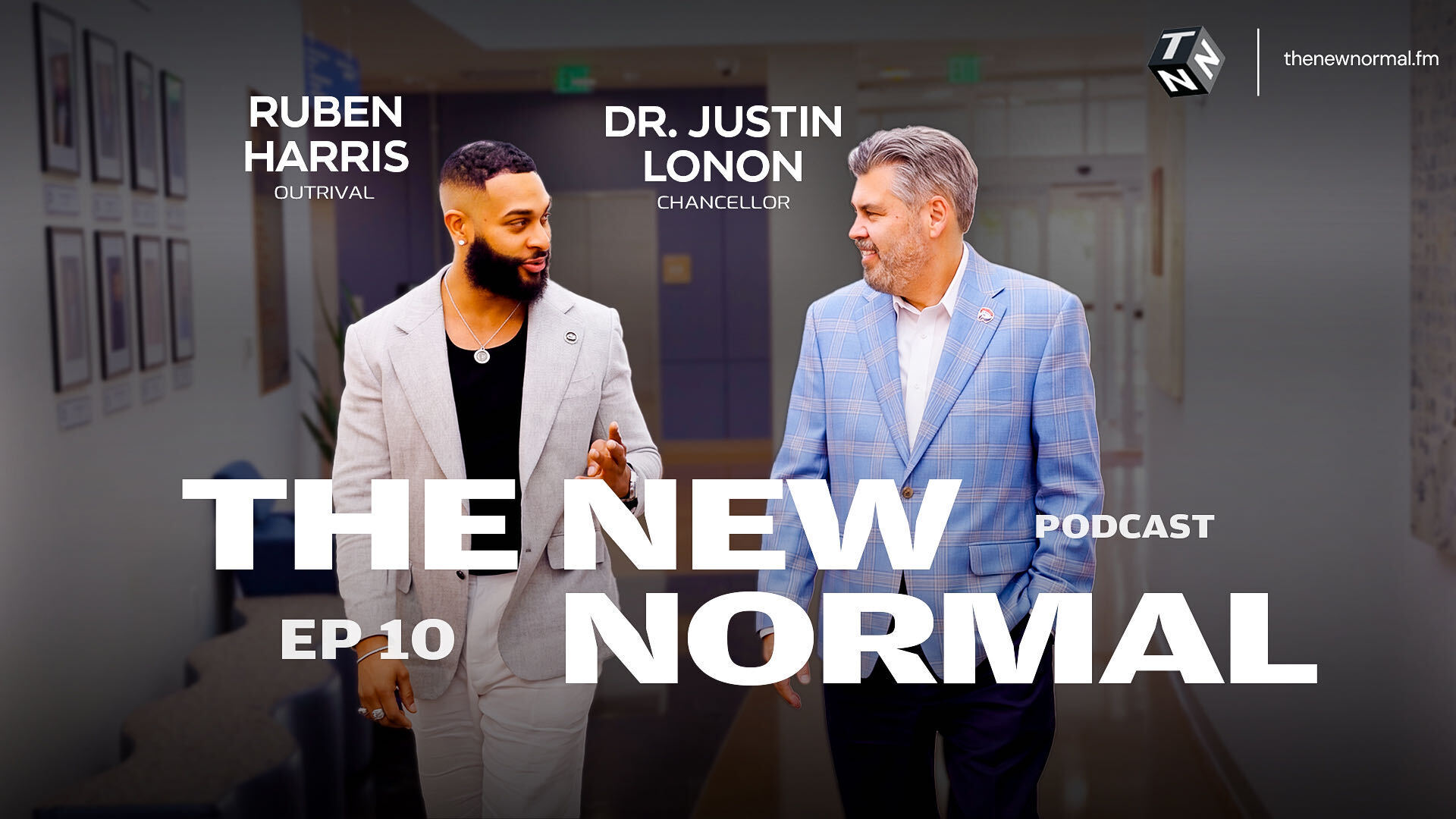
The New Normal, Episode 10: Chancellor Justin Lonon
Dallas College Chancellor Justin Lonon on building a 22nd century college, taking bigger AI risks in the back office, and making outbound personal. Five takeaways from Episode 10 of The New Normal.
Ruben Harris · Sep 24, 2026